Tired of worrying about plastics leaching into your food, dealing with stained containers, or constantly replacing flimsy options? You’re not alone. Many of us are looking for a smarter, safer, and more sustainable way to store our meals and snacks. Enter Stainless Steel Food Storage Containers With Lids – a true game-changer for anyone serious about food preservation, health, and a greener planet. These durable powerhouses offer a superior alternative, promising to revolutionize how you keep food fresh, organized, and free from unwanted chemicals.
Why Stainless Steel is a Game Changer for Your Kitchen
Imagine a food container that stands the test of time, keeps your food safe, and doesn’t harm the environment. That’s the promise of stainless steel. It’s not just a trend; it’s a return to quality and common sense in our kitchens.
What Makes Stainless Steel Food Containers Stand Out?
Stainless steel food storage containers with lids are celebrated for their exceptional durability, non-toxic properties, and eco-friendly nature. Unlike plastic, they won’t absorb food odors or stains, ensuring your curry doesn’t make your next sandwich taste like last night’s dinner. They’re also incredibly robust, designed to withstand drops and daily wear and tear without cracking or breaking, making them a wise investment for the long run.
A Brief History of Food Preservation & Modern Solutions
For centuries, humans have sought better ways to preserve food, from salting and curing to canning and refrigeration. The evolution of food storage has always been about extending freshness and ensuring safety. While early plastics offered convenience, their long-term health and environmental impacts have become a growing concern. Stainless steel represents a modern, conscious choice, combining the durability of traditional materials with contemporary design and safety standards, offering a robust and reliable option for today’s busy households.
Decoding Your Options: Types and Features
Choosing the right stainless steel food storage containers with lids can feel overwhelming with so many options available. Understanding the key features will help you make an informed decision that perfectly suits your lifestyle and needs.
What are the Different Grades of Stainless Steel Used in Food Containers?
When it comes to stainless steel, the grade matters significantly. For food storage, you’ll most commonly hear about 18/8 or 18/10 stainless steel, often referred to as 304 food-grade. This number indicates the chromium and nickel content, which enhances corrosion resistance and durability. Choosing containers made from 304 food-grade stainless steel ensures they are safe, rust-resistant, and will not leach harmful chemicals into your food, even with acidic ingredients.
Exploring Lid Technologies: From Leak-Proof to Easy-Open
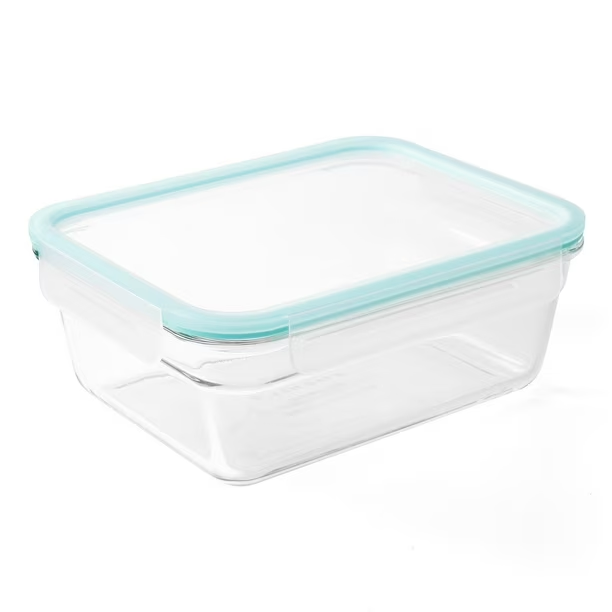
The lid is just as crucial as the container itself. Most high-quality stainless steel food storage containers come with lids featuring silicone seals for an airtight and leak-proof experience. These seals are essential for keeping food fresh longer and preventing spills, especially when transporting liquids. Lids often come in plastic (ensure it’s BPA-free and food-grade), or even other stainless steel designs for a fully plastic-free solution. Look for sturdy clips or secure snap-on designs that provide a reliable seal every time.
Size, Shape, and Stackability: Optimizing Your Storage Needs
Stainless steel containers come in a vast array of sizes and shapes, from tiny snack pots perfect for nuts and berries to large rectangular containers ideal for family-sized portions of leftovers or meal prep. Consider your typical uses: do you need small individual portions for lunch, or larger containers for bulk storage in the fridge? Many designs are made to be stackable, both when full and empty, which is a huge bonus for maximizing space in your fridge, freezer, and pantry.
Smart Choices & Savvy Usage: Getting the Most Out of Your Containers
Making the switch to stainless steel is a smart move, but knowing how to choose and use them effectively will unlock their full potential.
How Do I Choose the Best Stainless Steel Food Storage Containers?
Selecting the best stainless steel food storage containers with lids involves a few key considerations. First, always prioritize food-grade stainless steel (18/8 or 304). Second, assess the lid quality – look for leak-proof silicone seals and durable latching mechanisms. Consider the variety of sizes and shapes that align with your family’s needs, whether for meal prepping, packing lunches, or storing leftovers. Finally, check reviews and choose reputable brands known for quality and customer satisfaction.
Maximizing Food Freshness: Tips for Optimal Storage
To get the most out of your stainless steel containers, ensure food is cooled before sealing to prevent condensation, which can lead to sogginess. Always use the airtight lids to keep oxygen out and moisture in, preserving freshness. While stainless steel containers are generally freezer safe, avoid filling them to the very top with liquids, as food expands when frozen. Remember, these containers are not microwave safe, so transfer food to a microwave-safe dish for reheating.
Cleaning and Maintenance: Keeping Your Containers Pristine
One of the great joys of stainless steel is how easy it is to clean. Most stainless steel food storage containers with lids are dishwasher safe, making cleanup a breeze. For handwashing, use warm soapy water and a soft sponge. To remove stubborn residue or water spots, a paste of baking soda and water can work wonders. Avoid abrasive scrubbers or harsh chemical cleaners, as these can scratch the surface or leave residues. Regular cleaning will keep your containers sparkling and hygienic for years.
Beyond the Kitchen: Health, Safety, and Sustainability
The benefits of choosing stainless steel containers extend far beyond just food preservation. They embody a commitment to personal well-being and environmental stewardship.
What are the Health Benefits of Using Stainless Steel Containers?
A primary health benefit of using stainless steel food storage containers with lids is the elimination of chemical leaching. Unlike certain plastics, stainless steel is a non-reactive material, meaning it won’t transfer harmful chemicals like BPA, phthalates, or lead into your food. This is particularly important when storing acidic foods like tomato sauce or citrus, which can accelerate leaching from other materials. Choosing stainless steel gives you peace of mind that your food remains pure and safe.
The Environmental Impact: A Sustainable Choice for the Planet
Switching to stainless steel containers is a powerful step towards reducing your environmental footprint. These containers are incredibly durable and designed for a lifetime of use, effectively eliminating the need for disposable plastic bags and single-use plastic containers. By choosing reusable options, you contribute to significantly less plastic waste ending up in landfills and oceans. When they eventually reach the end of their very long life, stainless steel is 100% recyclable, making it a truly sustainable choice.
“Choosing stainless steel food storage containers is more than just a kitchen upgrade; it’s an investment in your health and a tangible commitment to a more sustainable future,” says Dr. Lena Petrov, a renowned food safety and sustainability expert at the Global Institute of Healthy Living. “Their inert nature means no chemicals contaminating your meals, and their incredible durability vastly reduces plastic waste. It’s a win-win for everyone.”
In conclusion, embracing stainless steel food storage containers with lids is a smart, health-conscious, and environmentally responsible decision. They offer unmatched durability, peace of mind regarding food safety, and contribute significantly to reducing plastic waste in our world. By making this simple switch, you’re not just organizing your kitchen better; you’re actively improving your well-being and making a positive impact on the planet. Start exploring your options today and discover the enduring benefits of stainless steel in your home.