Ever feel like your kitchen cabinets are playing a never-ending game of Tetris? You’re not alone. In the symphony of a busy home, maintaining an organized and efficient kitchen can feel like conducting a chaotic orchestra. But what if one simple change could bring harmony to your culinary space and enhance your daily life? Enter Stackable Food Storage Containers – the unsung heroes of modern kitchens, promising not just tidiness but also a revolution in how we preserve food and approach healthy living. These innovative solutions are designed to make your life easier, keeping your ingredients fresh and your kitchen serene.
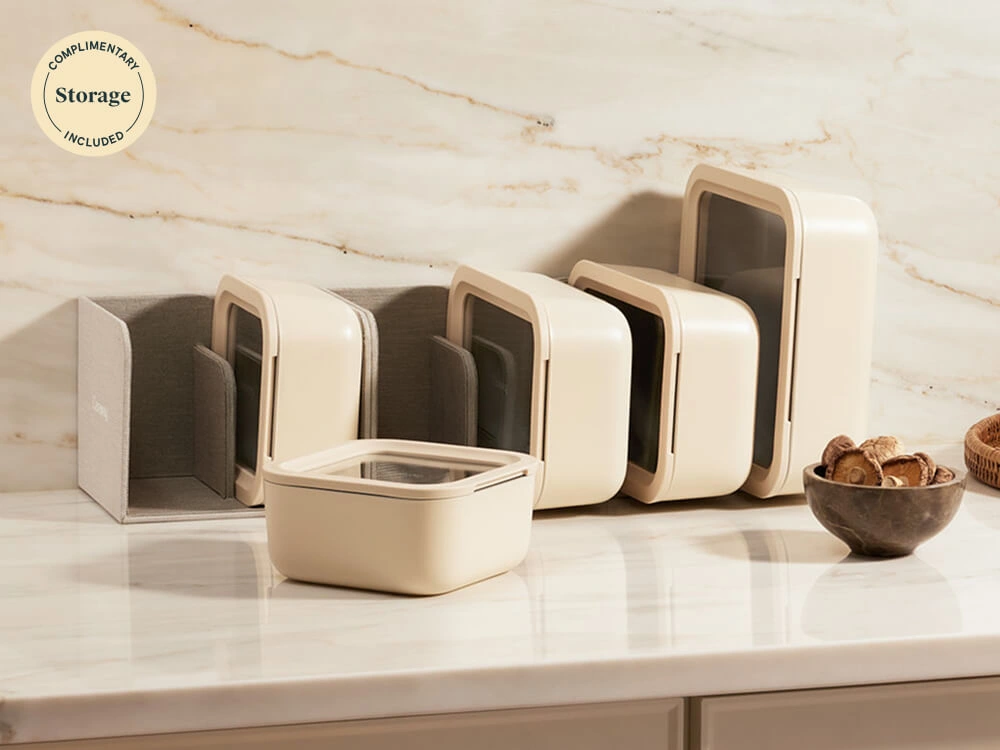
Maximizing Every Inch: The Space-Saving Magic of Stackable Containers
Let’s face it, kitchen space is precious real estate. Whether you’re in a cozy apartment or a sprawling home, maximizing every cupboard, drawer, and shelf is key. That’s where stackable food storage containers truly shine. They’re engineered to fit together seamlessly, transforming cluttered chaos into an orderly arrangement. Think of them as building blocks for your pantry or fridge, allowing you to utilize vertical space that would otherwise go to waste. Instead of a jumble of mismatched containers, imagine neat towers of freshness, making everything visible and accessible. This simple design trick not only creates more room but also eliminates the frustrating hunt for that elusive matching lid.
Beyond Neatness: How Stackable Containers Revolutionize Food Preservation
Beyond their aesthetic appeal and spatial efficiency, stackable containers are champions of food preservation. Their primary mission? To keep your food fresh for longer. Many come equipped with advanced airtight seals that lock in flavor and nutrients while keeping out air and moisture, the sworn enemies of fresh produce and leftovers. This means fewer trips to the grocery store, less money spent on replacements, and a significant reduction in food waste – a win for your wallet and the planet. Moreover, high-quality, BPA-free stackable containers play a crucial role in enhancing food safety by preventing cross-contamination and shielding your food from pests. It’s about more than just storage; it’s about safeguarding your family’s health and making conscious choices for a healthier lifestyle.
Decoding Your Options: Materials and Features for Smart Storage
When it comes to stackable food storage, the material makes all the difference. Each option brings its own set of advantages to the table, catering to diverse needs and preferences.
Glass vs. Plastic vs. Stainless Steel: Choosing Your Stackable Champion
- Glass Containers: These are the heavyweights, both literally and figuratively. Glass offers unparalleled durability, resists stains and odors like a pro, and boasts an aesthetic appeal that can elevate any kitchen. Most are oven, microwave, freezer, and dishwasher safe, offering incredible versatility from meal prep to reheating. Their transparency is a huge bonus, allowing you to easily identify contents at a glance. However, they can be heavier and more fragile than their plastic counterparts.
- Plastic Containers: Often more lightweight and affordable, plastic containers are excellent for portability and can be very durable, especially hard plastics. They are a popular choice for packing lunches or storing dry goods. When choosing plastic, prioritize BPA-free options to ensure no harmful chemicals leach into your food. While convenient, some plastics can stain or retain odors over time, especially with highly acidic or oily foods.
- Stainless Steel Containers: For those prioritizing extreme durability and a reduced reliance on plastic, stainless steel is a fantastic choice. These containers are lightweight, virtually unbreakable, and naturally resistant to odors. They often feature airtight lids and are perfect for long-term storage, though they don’t offer the visual transparency of glass or some plastics.
“The ideal material for your stackable containers truly depends on your lifestyle,” notes Dr. Anya Sharma, a leading Food Preservation Specialist. “If you’re constantly reheating, glass might be your best bet. For on-the-go meals, lightweight plastic or stainless steel could be more practical. Always consider how you’ll use them most often.”
Essential Features: What Makes a Stackable Container Truly Stand Out?
Beyond the material, several key features elevate a good stackable container to a great one:
- Airtight and Leak-Proof Lids: This is non-negotiable for preserving freshness and preventing messy spills, especially if you’re transporting food. Look for silicone gaskets for superior sealing.
- Versatile Shapes and Sizes: While rounds are great for liquids, rectangular and square containers are the true champions of space efficiency. They fit snugly side-by-side and stack without gaps, maximizing every inch of your storage space. A variety of sizes ensures you have the perfect container for everything from a tiny condiment to a large batch of soup.
- Safety Features: Always check for labels indicating “BPA-free” for plastics, and ensure containers are safe for your microwave, freezer, and dishwasher. This guarantees both food safety and ease of maintenance.
- Clarity for Convenience: Transparent containers, especially glass, allow you to quickly see what’s inside, saving you time and preventing forgotten leftovers.
Mastering the Art of Organization with Stackable Solutions
Embracing stackable food storage containers is just the first step. Mastering their use can transform your kitchen into a beacon of efficiency and calm.
Smart Stacking Strategies for a Harmonious Kitchen
- Group Like with Like: Store similar items together. All your baking supplies in one stack, all your pasta in another. This creates a visual order and makes ingredients easy to find.
- Uniformity is Key: Where possible, choose containers from the same brand or line. Their consistent design will allow them to stack perfectly, creating a streamlined, aesthetically pleasing look.
- Label Everything: Seriously, everything. A simple label with the contents and date will save you countless headaches. No more mystery meat in the freezer!
- Lid Management: This is often the trickiest part. Some people prefer to store lids and containers separately, organizing lids in a dedicated rack or drawer. Others find it more efficient to store the lid directly on the container, especially for glass sets that you’re less likely to nest. Find what works for your space and stick with it.
- Nest When Empty: When not in use, many stackable containers are designed to nest inside each other, further reducing the space they occupy in your cabinets.
Elevating Your Health and Sustainability Journey
Stackable food storage containers are more than just organizational tools; they’re partners in a healthier, more sustainable lifestyle.
- Mindful Meal Prep: With a variety of neatly organized containers, meal prepping becomes a joy, not a chore. You can easily portion out healthy meals for the week, making it easier to stick to dietary goals and avoid unhealthy takeout.
- Reduced Environmental Footprint: By investing in durable, reusable stackable containers, you’re actively reducing your reliance on single-use plastic bags and disposable packaging. This small change makes a significant positive impact on the environment, aligning with a vision for a more sustainable future.
- Long-Term Health Benefits: Knowing your food is stored safely in BPA-free materials, away from contaminants, gives peace of mind. Eating fresh, home-cooked meals preserved optimally is a cornerstone of good health.
Frequently Asked Questions
Are stackable glass food containers safe for the oven?
Yes, most stackable glass food containers are oven-safe, typically up to 450°F (232°C), but it’s crucial to always check the manufacturer’s specific guidelines before placing them in the oven. Glass lids, however, often require special care and might not be oven-safe.
How do I prevent my stackable plastic containers from staining?
To prevent staining in plastic stackable containers, rinse them immediately after use, especially after storing highly pigmented foods like tomato sauce or curry. For stubborn stains, a paste made of baking soda and water can often work wonders.
What shapes of stackable containers are best for maximizing space?
Rectangular and square stackable containers are generally the most efficient for maximizing space in refrigerators, freezers, and pantries. Their straight sides allow them to fit snugly together without creating wasted gaps, unlike round containers.
Can I freeze food in all stackable containers?
Not all stackable containers are freezer-safe. While glass and many hard plastics are designed to withstand freezing temperatures, some flexible plastics may become brittle and crack. Always look for a “freezer-safe” label from the manufacturer.
How do stackable containers contribute to a sustainable kitchen?
Stackable containers contribute to a sustainable kitchen by encouraging the use of reusable items, thereby reducing the need for single-use plastics and disposable packaging. This helps minimize waste and promotes a more eco-friendly approach to food storage and consumption.
Bringing Order and Freshness to Your Home
Stackable food storage containers are more than just practical items; they are foundational tools for a well-managed, healthy, and sustainable home. From extending the life of your favorite ingredients to simplifying meal prep and decluttering your kitchen, their benefits are clear. By choosing the right materials, understanding key features, and employing smart organization strategies, you can transform your kitchen into an efficient, enjoyable space. Embrace the stackable revolution and experience the unparalleled convenience and peace of mind that comes with truly optimized food storage.