Ever felt that creeping worry about uninvited guests in your pantry? You know, the kind with tiny paws and a knack for finding every morsel of food? Rodents are more than just a nuisance; they’re a significant threat to your food safety and overall well-being. At Review Vie, our vision is to equip you with innovative and sustainable food storage solutions, elevating your food preservation experience and safeguarding your health. We believe that securing your provisions with top-tier rodent-proof food storage containers is the first, crucial step in creating a healthier, more organized home.
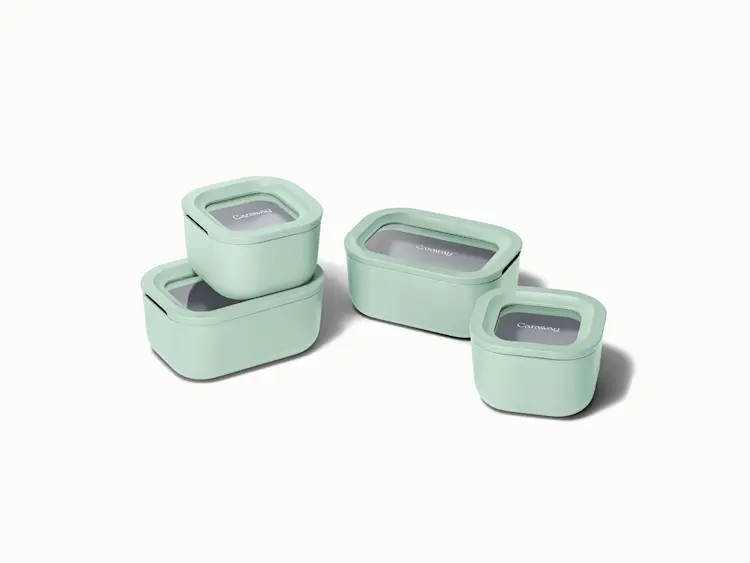
What Makes a Food Container Truly Rodent-Proof?
You might think any sealed container does the trick, but rodents are incredibly persistent and resourceful. They possess a keen sense of smell and powerful incisors, making many common storage solutions easy targets. A truly rodent-proof food storage container goes far beyond a simple lid; it’s designed with specific features to withstand their determined efforts.
The Unseen Threat: Why Rodents Are a Challenge
Mice and rats aren’t just looking for a meal; they’re seeking shelter and a consistent food source. Once they establish themselves, they can multiply rapidly, contaminating food with droppings and urine, and potentially spreading diseases like Salmonellosis. They can also gnaw through various materials, making short work of cardboard, plastic bags, and even thinner plastic containers, all to get to what smells appealing inside. This is why having reliable rodent-proof food storage containers is paramount.
Key Features: Beyond Just “Airtight”
While an airtight seal is crucial for maintaining food freshness and preventing odors from escaping (which can attract rodents), true rodent-proofing requires more:
- Chew-Proof Materials: This is non-negotiable. Rodents can chew through surprisingly tough materials. The best containers are made from substances they simply cannot penetrate.
- Tight-Fitting and Locking Lids: Lids must be secure and unable to be pried open. A simple snap-on lid often isn’t enough; look for robust locking mechanisms.
- Gap-Free Construction: Rodents can squeeze through incredibly small openings—a mouse can fit through a gap as tiny as a quarter of an inch. Ensure there are no weaknesses in the container’s design.
- Scent-Free (Post-Cleaning): Even residual food odors can be an irresistible lure. Choosing non-porous materials that are easy to clean helps eliminate lingering scents.
- Sturdy and Durable: The container must be robust enough to withstand accidental impacts or pressure without cracking, which could create entry points.
The Best Materials for Rodent-Proof Food Storage Containers
When it comes to selecting your arsenal against pests, material choice is king. Let’s explore the champions in the fight for your food’s safety.
Metal: The Indomitable Shield
For ultimate rodent protection, heavy-gauge metal containers, such as stainless steel or galvanized steel, are your best bet. Rodents find these materials virtually impossible to chew through. Metal bins and barrels are ideal for bulk items like grains, flour, sugar, or pet food, especially in areas like garages, sheds, or basements where rodents are more prevalent. Galvanized steel, in particular, offers the added benefit of being rust-resistant and highly durable, ensuring a long lifespan for your rodent-proof food storage containers.
Glass: Clarity and Imperviousness
For pantry staples and smaller quantities, glass jars like Mason jars are an excellent choice. Glass is completely impervious to gnawing, non-porous (meaning no lingering food scents), and creates an airtight seal when properly closed. An added bonus? You can easily see what’s inside without opening, promoting better organization. Just remember that while chew-proof, glass can break, so handle with care.
Heavy-Duty Plastic: A Smart Choice, with Caveats
While some plastics are easily chewed through, certain heavy-duty plastic containers can be highly effective. Look for thick plastic bins with secure, locking lids—like 5-gallon buckets equipped with “gamma lids” (screw-on seals designed for superior airtightness). These are fantastic for storing larger quantities of dry goods or pet food. The key is “heavy-duty” and “secure.” Thinner plastics simply won’t stand a chance against a determined rodent. Always choose robust options to ensure your rodent-proof food storage containers live up to their name.
Materials to Steer Clear Of
To put it plainly, if a rodent can rip or poke a hole in it, it’s not rodent-proof. This means avoiding:
- Cardboard boxes: An easy feast for rodents, often used for nesting.
- Plastic or paper bags: These offer no defense whatsoever.
- Thin plastic containers: Many everyday plastic containers are not strong enough to deter gnawing.
Choosing and Using Rodent-Proof Containers Effectively
Selecting the right containers is just one piece of the puzzle. How you utilize and integrate them into your overall storage strategy makes all the difference.
Selecting the Right Size and Type
Think about what you’re storing. Smaller glass jars are perfect for spices, nuts, or dried fruits in the pantry. Larger metal bins or heavy-duty plastic buckets are ideal for bulk rice, pasta, pet food, or bird seed. Don’t overpack your containers; this can strain the seals and potentially pop lids open, compromising their rodent-proof integrity.
Beyond the Container: Optimal Storage Practices
“Effective rodent-proofing extends beyond just the container itself; it’s about creating an integrated defense system,” advises Dr. Eleanor Vance, a leading expert in sustainable household management. “Every layer, from the container to the environment, plays a role.”
Elevate and Isolate
Rodents prefer to travel along walls and on the ground. Store your rodent-proof food storage containers off the floor and away from walls whenever possible. Use shelves, metal cabinets with legs, or even hooks for hanging items. This simple step makes it significantly harder for them to access your food supplies.
Cleanliness is King
A clean storage area is an uninviting one for rodents. Immediately clean up any spills or crumbs. Regularly inspect your pantry, garage, or other storage spots for signs of rodent activity—droppings, chew marks, or nesting materials. Dispose of expired or unused food promptly. Remember, lingering food scents, even from residue, can be a powerful attractant.
Sealing Environmental Entry Points
Even the best rodent-proof food storage containers can’t help if rodents are freely roaming your home. Inspect your storage areas for any cracks, gaps, or holes in walls, floors, and around pipes or utility lines. Seal these entry points with rodent-resistant materials like steel wool, caulk, or metal sheeting. Remember, a gap as small as 1/4 inch is enough for a mouse to squeeze through.
Health and Safety: The Unseen Benefits of Secure Food Storage
The immediate benefit of rodent-proof food storage containers is obvious: no chewed-through bags or contaminated food. But the advantages run much deeper, impacting your family’s health and the quality of your food.
Preventing Contamination and Disease
Rodents carry a host of bacteria, viruses, and parasites. When they access food, they can contaminate it through their droppings, urine, and fur, potentially spreading serious diseases. By investing in reliable containers, you’re building a critical barrier against these health hazards, ensuring the food your family consumes is safe and clean. This is perhaps the most significant benefit of robust rodent-proof food storage containers.
Maintaining Food Freshness and Quality
Beyond pest control, airtight rodent-proof containers also excel at preserving food quality. They prevent moisture and oxygen exchange, which can lead to spoilage, staleness, and nutrient loss. This means your dry goods stay fresher for longer, reducing food waste and saving you money in the long run.
Optimizing Your Kitchen and Pantry with Rodent-Proof Solutions
Integrating rodent-proof strategies can actually enhance your kitchen’s organization and efficiency.
Practical Tips for Home Organization
Clear glass containers not only deter pests but also allow for quick identification of contents, making meal prep a breeze. Using stackable metal or heavy-duty plastic bins can maximize vertical space in pantries and garages, keeping things tidy and accessible while maintaining a robust defense against rodents. Proper labeling also prevents confusion and ensures older items are used first.
Special Considerations: Pet Food and Bulk Items
Pet food and bird seed are major attractants for rodents due to their strong odors and nutritional value. Always store these items in dedicated metal or heavy-duty plastic rodent-proof food storage containers with secure, airtight lids. For very large quantities, consider purchasing food-grade steel drums. This prevents your furry friends’ meals from becoming a feast for pests.
Frequently Asked Questions (FAQ)
Q: Can rodents chew through all plastics?
A: No, but they can easily chew through most thin plastics. Heavy-duty, thick plastics with secure locking lids are much more resistant, but metal and glass offer superior chew-proof protection.
Q: How small of a gap can a mouse fit through?
A: Mice can squeeze through incredibly small openings, typically as tiny as 1/4 inch (about the size of a pencil eraser). Rats can get through gaps as small as 1/2 inch.
Q: Is it necessary to remove food from its original packaging?
A: Yes, it is highly recommended. Original cardboard and thin plastic packaging offer almost no protection against rodents and can easily be chewed through. Transferring food to rodent-proof containers eliminates these easy access points.
Q: What about outdoor storage for rodent proofing?
A: For outdoor storage, such as in sheds or garages, prioritize galvanized steel containers for bulk items like pet food or bird seed. Ensure these containers are kept off the ground and have tightly sealed, preferably locking, lids to withstand both pests and environmental elements.
Q: Do essential oils really deter rodents from food containers?
A: While some essential oils like peppermint or lavender are often cited as natural deterrents, their effectiveness in completely preventing rodents from accessing food containers is limited. They might repel briefly, but a determined rodent will likely overcome the scent barrier if food is accessible. Physical barriers (chew-proof materials, airtight seals) are far more reliable.
Conclusion
Protecting your food from rodents is a fundamental aspect of maintaining a healthy and hygienic home. By thoughtfully selecting and strategically utilizing rodent-proof food storage containers made from durable materials like metal, glass, or heavy-duty plastic, you establish a formidable defense against these unwelcome pests. Pair these containers with vigilant cleaning habits and proactive sealing of environmental entry points, and you create a comprehensive system that safeguards your family’s health, preserves your food’s freshness, and brings invaluable peace of mind. We at Review Vie encourage you to adopt these practices and transform your approach to food preservation, ensuring every meal is as safe and wholesome as intended.