Embarking on the journey of preparedness often brings us face to face with a fundamental question: how do we keep our vital food supplies safe and ready for the long haul? This isn’t just about stashing away groceries; it’s about strategic resilience, and at its heart lies the choice of the right Prepper Food Storage Containers. These aren’t merely boxes or bags; they are your first line of defense against spoilage, pests, and the passage of time, ensuring that when the moment comes, your provisions are as nourishing as the day they were stored.
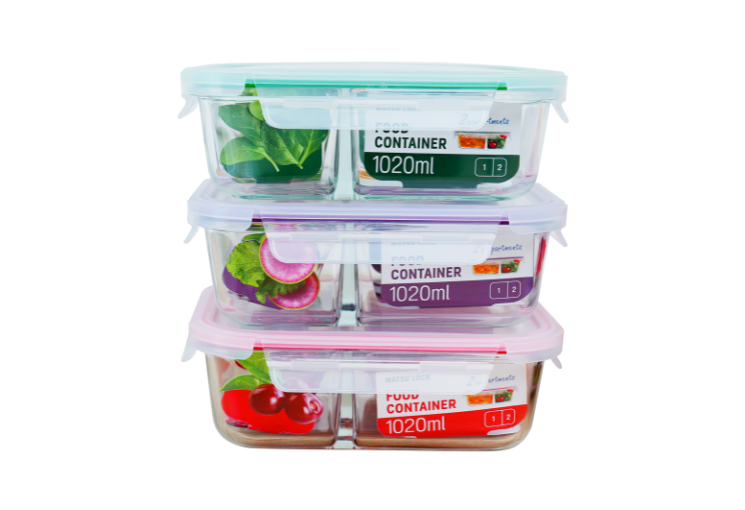
Why Prepper Food Storage Containers Matter: More Than Just a Box
The concept of food preservation is as old as humanity itself, evolving from ancient drying and salting to modern canning and freeze-drying. In today’s interconnected world, however, the need for personal preparedness has taken on new urgency. Disruptions to supply chains, natural disasters, or unexpected emergencies can quickly turn a well-stocked pantry into an empty echo. That’s where dedicated prepper food storage containers step in, providing a robust solution to secure your family’s nutritional future. They transform bulk staples into a reliable, long-term asset, offering peace of mind and genuine security.
The Golden Rules: What Makes a Container “Prepper-Ready”?
Not all containers are created equal when it comes to long-term food storage. To truly earn the title of a prepper food storage container, it must adhere to a set of critical criteria designed to maximize shelf life and protect your investment.
Temperature Management: Keeping it Cool
Extreme temperatures are the enemy of stored food. Heat accelerates spoilage, while repeated freezing and thawing can degrade quality. Optimal storage typically aims for a cool, consistent environment, ideally around 60 degrees Fahrenheit. The container itself should help insulate its contents from minor fluctuations, but it’s the overall storage location that plays the biggest role.
Pest Control: Keeping Critters Out
Insects and rodents are persistent and resourceful. A truly effective prepper food storage container must be impenetrable to these unwelcome guests. This means tight seals, durable materials, and no weak points that could be chewed or squeezed through. Your diligence in pest control extends beyond the container to the storage area itself.
Light Blocking: Preserving Nutrients
Exposure to light, especially direct sunlight, can degrade vitamins, alter colors, and diminish the nutritional value of your stored food. Opaque containers are preferable for long-term storage, providing a dark environment that helps preserve food integrity. If using clear containers, ensure they are stored in a dark space, like a pantry or basement.
Air Tightness: Fighting Humidity and Oxygen
This is arguably the most crucial requirement. Oxygen promotes oxidation, leading to rancidity in fats and general food degradation. Humidity encourages mold growth and can turn dry goods into a sticky, unusable mess. Airtight seals, often combined with oxygen absorbers, create a low-oxygen, low-moisture environment, dramatically extending shelf life.
Durability and Stackability: Practicality for Long-Term
Prepping often involves storing significant quantities of food. Containers need to be robust enough to withstand stacking without crushing their contents. They should also be designed to maximize space efficiency, allowing you to organize your pantry effectively and access items without a major overhaul.
Unpacking Your Options: Types of Prepper Food Storage Containers
When it comes to selecting the best prepper food storage containers, you have several proven options, each with its unique strengths.
Five-Gallon Buckets: The Workhorse of Prepping
These sturdy, food-grade plastic buckets (typically HDPE) are a staple in many prepper pantries. They are inexpensive, readily available, and can hold significant amounts of dry goods like rice, beans, sugar, or flour. For best results, always use food-grade buckets, as non-food-grade plastics can leach harmful chemicals into your provisions over time. When coupled with Mylar bags and oxygen absorbers, 5-gallon buckets create a nearly indestructible, long-term storage solution. Many preppers praise their stackability and overall robustness.
Mylar Bags & Oxygen Absorbers: The Dynamic Duo
Mylar bags, made from multiple layers of laminated food-grade plastic and aluminum, offer an excellent barrier against light, oxygen, and moisture. They are incredibly effective when used with oxygen absorbers, which remove the remaining oxygen from the sealed bag, drastically slowing down food degradation. These bags come in various sizes and can be heat-sealed for an impenetrable barrier. Often, Mylar bags filled with dry goods and oxygen absorbers are then placed inside 5-gallon buckets for added physical protection and ease of stacking, forming an ideal system of prepper food storage containers.
#10 Cans: Tried, True, and Tamper-Proof
Often associated with institutional or military food supplies, #10 cans are large, commercial-grade metal cans. They offer superior protection against light, oxygen, moisture, and pests. Many companies offer pre-packaged, long-term survival foods in #10 cans, providing a convenient, ready-to-store option. While not typically reusable for home canning without specialized equipment, their robustness and long shelf life make them a valuable component of any comprehensive prepper food storage plan.
Mason Jars: Classic & Versatile for Shorter to Mid-Term
Mason jars are a timeless choice for food preservation, celebrated for their versatility in both canning and dry storage. Made of glass, they offer an impermeable barrier that doesn’t leach chemicals. For dry goods like grains, spices, or dehydrated fruits, Mason jars with new, properly sealed lids and an optional oxygen absorber can create an airtight environment. While excellent for visibility and organization, their glass construction makes them susceptible to breakage, making them less ideal for situations requiring high durability or frequent handling compared to other prepper food storage containers.
Specialty & Short-Term Solutions: A Quick Look
Beyond the long-term staples, various other containers serve specific prepping needs. BPA-free plastic containers, for instance, are fantastic for shorter-term meal prepping or for storing items in an active pantry rotation. Vacuum sealers, while not creating a hard barrier, remove air from bags or specific containers, extending the freshness of items for medium-term storage in a way that complements other prepper food storage containers.
Choosing Your Arsenal: A Strategic Approach to Container Selection
Selecting the right prepper food storage containers is a strategic decision that depends on your specific needs, the foods you’re storing, and your available space.
Start by assessing the quantity and duration of food you plan to store. Are you aiming for a few weeks of emergency meals or several years of sustenance? This will dictate the volume and type of containers. Next, consider the food itself. Dry goods like rice and beans thrive in Mylar bags within buckets, while certain oils or liquids might require different sealing methods.
The material of your container is paramount. Plastic (food-grade HDPE) is lightweight and durable; Mylar offers superior atmospheric protection; glass is chemical-free and reusable but fragile; and metal cans are robust and ideal for long-term, pre-packaged solutions. Finally, factor in your budget. While initial costs might seem high, remember you’re investing in long-term security.
“The right container isn’t just about material; it’s about matching it to the food’s longevity and your storage environment,” says Dr. Evelyn Reed, a renowned food preservation specialist. “A multi-layered approach using different container types for different foods often yields the most effective and resilient food storage system.”
Beyond the Basics: Maximizing Your Storage Longevity
Once you’ve chosen your prepper food storage containers, mastering proper techniques is essential for maximizing their potential.
Proper sealing is non-negotiable. For Mylar bags, a simple clothes iron or a dedicated heat sealer will create a strong, airtight seal. With 5-gallon buckets, ensure you use gamma seal lids or traditional gasketed lids that create a secure, airtight barrier. For Mason jars, always use new lids for canning to ensure a proper seal.
The storage environment is just as critical as the container itself. Aim for a cool, dark, and dry location. Basements, cool pantries, or dedicated storage rooms are ideal. Avoid attics or garages where temperatures can fluctuate wildly. Light exposure should be minimized, and humidity controlled to prevent spoilage.
Crucially, implement an inventory management system. Label every container with its contents and date of storage. Practice “first-in, first-out” (FIFO) to rotate your stock regularly, consuming older items before they expire and replenishing them. This keeps your supply fresh and prevents waste, ensuring your prepper food storage containers are always holding viable provisions.
Health and Safety First: Ensuring Your Prepped Food Stays Edible
The goal of prepper food storage is to have safe, edible food when you need it most. Ensuring health and safety begins with your container choices. Always opt for food-grade materials to prevent chemical leaching, especially with plastics. Look for “BPA-free” labels where applicable.
Preventing contamination starts with clean containers and a hygienic packing process. Wash and thoroughly dry any reusable containers before use. When packing dry goods, use clean scoops and avoid direct hand contact if possible.
Finally, know how to recognize spoilage. While properly stored food lasts a long time, nothing lasts forever. Be wary of unusual odors, discoloration, bulging cans or lids, or any signs of mold or pest infestation. When in doubt, throw it out – your health is not worth the risk. Diligent use of appropriate prepper food storage containers significantly reduces these risks.
Organizing Your Prepper Pantry: Smart Strategies for Accessibility
A well-stocked prepper pantry is only effective if you can easily find and access your supplies. Organization is key.
Utilize shelving units that can support the weight of heavy food containers. Stack 5-gallon buckets carefully, being mindful of any height limits to prevent tipping. Maximize vertical space, but keep frequently accessed items at an easy reach.
Labeling is paramount. Don’t just label the outside of a bucket or bin with “food”; be specific. Include contents (e.g., “White Rice”), date packed, and approximate expiration. Consider using color-coded labels for different categories of food or for indicating rotation dates.
For those with limited space, creative storage solutions can make a difference. Under-bed storage containers can discreetly house flatter bins of food. Some preppers even use disguised tubs, labeling them as “Christmas Decorations” or “Old Clothes” to deter unwanted attention, though the weight difference might be noticeable. Remember, the goal is efficient, accessible storage that protects your prepper food storage containers and their contents.
Conclusion: Investing in Peace of Mind, One Container at a Time
Building a robust emergency food supply is a cornerstone of preparedness, and the selection of high-quality prepper food storage containers is your most critical decision. By understanding the essential requirements – airtightness, light blocking, pest control, and proper temperature management – you can make informed choices that dramatically extend the shelf life and usability of your provisions. From the humble 5-gallon bucket paired with Mylar bags and oxygen absorbers, to the enduring reliability of #10 cans, each container plays a vital role in safeguarding your family’s future. Investing time and thought into your food storage system today is an investment in peace of mind, ensuring that whatever tomorrow may bring, you’ll be well-nourished and ready.