In our bustling lives, where convenience often reigns supreme, Plastic Food Storage Containers have become indispensable kitchen companions. They effortlessly bridge the gap between meal prep and leftovers, helping us keep our food fresh, organized, and ready for whatever the day throws our way. But as we embrace these versatile tools, understanding their nuances – from their materials to their proper use – is crucial for both our health and the environment. Let’s dive deep into the world of plastic food storage containers and uncover how to make the smartest choices for your home.
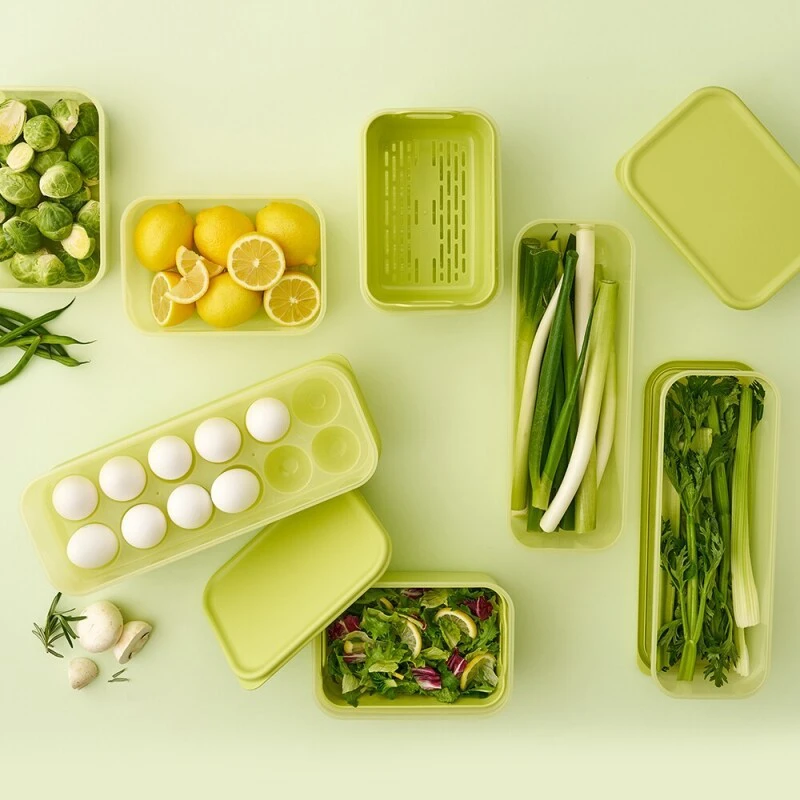
A Brief History of Keeping Food Fresh
For centuries, humanity has grappled with the challenge of preserving food. Our ancestors started with natural vessels like leaves, hollowed gourds, and animal skins, gradually moving to more sophisticated solutions such as pottery, woven baskets, and clay pots. The invention of canning in the early 19th century and the widespread use of glass jars marked significant leaps. However, it wasn’t until the mid-20th century, following World War II, that plastic emerged as a revolutionary material for food packaging and storage. Its affordability, lightweight nature, and flexibility quickly made plastic food storage containers a household staple, transforming how we store and consume food.
The World of Plastic Food Storage Containers: Pros and Cons
Plastic food storage containers come with a mixed bag of advantages and considerations. On one hand, they offer unparalleled convenience; on the other, they present challenges we need to be aware of.
Why We Love Plastic Food Storage Containers
There’s a good reason these containers dominate our kitchen cupboards:
- Cost-Effective: Generally, plastic containers are more budget-friendly than their glass or stainless steel counterparts, making them accessible for everyone.
- Lightweight and Portable: Their light nature makes them perfect for packed lunches, picnics, and reducing transportation costs.
- Versatility: Plastic food storage containers come in an astonishing array of shapes, sizes, and designs, suitable for everything from delicate berries to hearty stews.
- Transparency: Many clear plastic containers allow you to see what’s inside at a glance, eliminating the need to open every lid.
- Durability: They are less prone to breakage than glass, standing up well to accidental drops.
- Airtight Seals: Modern plastic food storage containers often feature excellent airtight and leakproof seals, crucial for keeping food fresh and preventing spills.
Understanding the Concerns: What to Watch Out For
Despite their benefits, it’s important to acknowledge the drawbacks of plastic food storage containers:
- Environmental Impact: A major concern is their contribution to plastic pollution. Not all plastic types are easily recyclable, and many end up in landfills or the environment.
- Potential Health Risks: Certain plastics can leach harmful chemicals into food, especially when heated or exposed to acidic ingredients. These chemicals, like BPA and phthalates, have been linked to various health issues.
- Staining and Odor Retention: Some plastics are notorious for absorbing food smells and stains, particularly from tomato-based sauces or curries.
- Heat Sensitivity: Not all plastic containers are suitable for hot foods or microwaving, as high temperatures can cause them to warp or release chemicals.
Common Plastic Materials and Their Properties
Understanding the different types of plastic food storage containers is key to making informed decisions. Look for the recycling codes, usually a number inside a triangle, on the bottom of your containers.
- Polypropylene (PP – Code 5): Often considered the safest plastic for food storage, PP is known for its high heat resistance. This makes it a great choice for microwaving and dishwashing without deforming or leaching chemicals. It’s durable and resistant to physical and chemical impacts, commonly found in yogurt containers and meal prep boxes.
- High-Density Polyethylene (HDPE – Code 2): Durable, impact-resistant, and excellent for low temperatures, HDPE is ideal for milk bottles, juice containers, and freezer-safe food boxes. It’s widely recyclable and safe for cold and ambient food contact.
- Polyethylene Terephthalate (PET – Code 1): This translucent, lightweight plastic is typically used for single-use items like plastic bottles, drink containers, and some salads. While recyclable, PET is generally not recommended for microwaving or repeated use for hot foods.
- Tritan Plastic: A newer material, Tritan is highly regarded for its safety and durability. It’s naturally derived, BPA-free, and designed to withstand high temperatures and resist staining.
- Plastics to Approach with Caution:
- Polyvinyl Chloride (PVC – Code 3): Sometimes found in flexible food containers and cling films, PVC can contain phthalates and is generally not heat-safe or easily recyclable. It’s best to avoid PVC for repeated food contact.
- Polystyrene (PS – Code 6): Often used for disposable items like takeaway containers, PS can release styrene, particularly when heated. It’s not heat-safe and has a low environmental profile.
- Polycarbonate (PC – Code 7, often includes BPA): Hard, clear, and once common in reusable water bottles and some food containers, polycarbonate plastics with code 7 may contain BPA. Unless explicitly labeled “BPA-free,” it’s wise to avoid heating or freezing foods in these.
The BPA Factor: What “BPA-Free” Really Means
You’ve probably seen the “BPA-free” label on many plastic food storage containers. But what exactly does it signify, and why is it so important?
What is BPA?
BPA, or Bisphenol A, is an industrial chemical that has been used since the 1960s to make certain plastics and resins, including polycarbonate plastics. It was valued for enhancing plastic’s durability and flexibility.
Why Does BPA Matter for Your Health?
The concern arises because BPA can leach from containers into food and beverages, especially when exposed to heat, acidic ingredients, or general wear and tear. Once in the body, BPA is known to mimic estrogen, a natural hormone, potentially disrupting the endocrine system. Studies have linked BPA exposure to various health concerns, including hormonal imbalances, fertility issues, developmental problems in children, and an increased risk of certain cancers. Even low levels of BPA exposure can impact overall health, with potential effects on the brain and prostate gland in fetuses, infants, and children.
The Benefits of “BPA-Free” Plastic Food Storage Containers
Choosing plastic food storage containers labeled “BPA-free” is a simple yet impactful step for a healthier kitchen. These containers are made from alternative plastics (like Tritan or specific polyethylenes) that do not contain Bisphenol A.
“Opting for BPA-free plastic food storage containers means you’re actively reducing your exposure to potentially harmful chemicals,” explains Dr. Anya Sharma, a food safety expert. “It’s about having peace of mind that your food remains pure and uncontaminated, even with daily use and varying temperatures.”
BPA-free plastics eliminate the risk of chemical transfer, making them safer for storing both hot and cold items. They are often designed to be durable, reusable, and can withstand temperature variations without warping or releasing toxins.
How to Identify BPA-Free Containers
- Check the Label: The most straightforward way is to look for explicit “BPA-free” labeling on the product.
- Recycling Codes: While not foolproof, plastics with recycling codes 1 (PET), 2 (HDPE), and 5 (PP) are generally considered BPA-free. Plastics with code 7 may contain BPA, so confirm the “BPA-free” label if you see this code.
- Look for Opaque Plastics: Opaque plastics are usually BPA-free. Hard, clear, or clear-tinted plastics with code 7 (unless specifically labeled otherwise) might contain BPA.
Choosing and Using Plastic Food Storage Containers Effectively
Making the right choice for your kitchen involves more than just picking a color. Here’s a guide to selecting and utilizing plastic food storage containers to their fullest potential:
1. Prioritize Food-Grade and BPA-Free Labels
Always ensure your plastic food storage containers are marked as “food-grade” and “BPA-free.” These certifications indicate that the plastic is safe for contact with food and won’t leach harmful chemicals.
2. Match the Container to Its Purpose
Not all plastic food storage containers are created equal when it comes to temperature.
- For Microwaving: Choose containers explicitly labeled “microwave-safe,” typically made from PP (Polypropylene). Even then, be cautious. Heat can still cause plastics to open their pores and potentially leach chemicals. Consider transferring food to glass for heating when possible.
- For Freezing: HDPE (High-Density Polyethylene) containers are generally freezer-safe. Avoid freezing food in plastics not designed for low temperatures, as they can become brittle and leach chemicals during defrosting.
- For Airtight Freshness: Look for plastic food storage containers with robust, locking lids that create a tight seal. These are best for preserving dry goods and preventing spoilage of fresh ingredients.
3. Handle Hot Foods with Care
Never transfer scorching hot food directly into plastic containers, especially those not designed for high heat. Allow food to cool sufficiently before storing to minimize the risk of chemical leaching.
4. Clean with Consideration
While many plastic food storage containers are dishwasher-safe, handwashing can extend their lifespan and prevent the dulling or clouding that harsh dishwasher detergents can cause. High-temperature dishwasher cycles might also increase the risk of chemical leaching, so a gentle wash is often better.
5. Replace When Worn
Plastic containers don’t last forever. Scratches, cracks, or discoloration are signs that it’s time to replace them. Damaged plastic surfaces can harbor bacteria and increase the likelihood of chemicals leaching into your food.
Optimizing Your Kitchen with Plastic Food Storage Containers
Beyond safety, plastic containers can be powerful tools for kitchen organization:
- Space-Saving Designs: Many plastic food storage containers are designed to nest within each other when empty or stack neatly when full. This can significantly optimize cupboard and refrigerator space.
- Uniformity for Organization: Investing in a set of uniform plastic food storage containers can create a cohesive and visually appealing pantry or fridge, making it easier to find what you need.
- Clear Visibility: Use clear plastic food storage containers to quickly identify contents, reducing food waste and making meal planning a breeze.
Health and Safety Benefits Beyond BPA
Using plastic food storage containers wisely contributes to overall well-being in several ways:
- Preventing Food Spoilage: Airtight containers protect food from air and moisture, significantly extending its freshness and reducing waste.
- Improved Hygiene: Properly sealed plastic food storage containers prevent cross-contamination in your fridge and keep food safe from airborne bacteria and pests.
- Portion Control: They make it easy to portion meals, supporting healthy eating habits and managing dietary needs.
Frequently Asked Questions About Plastic Food Storage Containers
Q: Are all plastic food storage containers microwave safe?
A: No, only plastic food storage containers explicitly labeled “microwave-safe” are designed to withstand microwave temperatures. Plastics like PP (Polypropylene) are generally safe, but others like PET, PS, or PVC are not. Even with “microwave-safe” labels, it’s wise to be cautious and consider alternative heating methods for plastic.
Q: How can I prevent my plastic containers from staining?
A: To prevent staining, rinse plastic food storage containers immediately after use, especially after storing tomato-based sauces or oily foods. If stains occur, try a baking soda paste or soaking in diluted bleach, but always ensure thorough rinsing.
Q: Is it safe to freeze food in plastic containers?
A: Yes, many plastic food storage containers are freezer-safe, particularly those made from HDPE. However, some plastics can become brittle in freezing temperatures and may leach chemicals, especially during thawing. Always check for a “freezer-safe” label.
Q: What do the recycling symbols on plastic containers mean?
A: The recycling symbol (a triangle with a number) indicates the type of plastic. Numbers 1 (PET), 2 (HDPE), and 5 (PP) are generally considered safer for food contact. Numbers 3 (PVC), 6 (PS), and 7 (other, including polycarbonate) may pose more concerns, especially if not labeled “BPA-free”.
Q: How often should I replace my plastic food storage containers?
A: Replace your plastic food storage containers when they show signs of wear and tear, such as scratches, cracks, discoloration, or warping. Damaged containers can harbor bacteria and increase the risk of chemical leaching.
Embrace Informed Choices for Your Kitchen
Plastic food storage containers are undoubtedly a cornerstone of modern kitchen efficiency and convenience. From their humble beginnings to today’s advanced, BPA-free innovations, they’ve evolved to meet our dynamic needs. By understanding the different plastic types, prioritizing BPA-free options, and following best practices for use and care, you can harness the benefits of these containers while safeguarding your health and contributing to a more sustainable lifestyle. Make informed choices, and let your plastic food storage containers serve you well in creating a healthier, happier kitchen.