Ever open your kitchen cupboard, only to be met with an avalanche of mismatched plastic containers and lid-less wonders? You’re not alone. The struggle for an organized, efficient kitchen is real, but there’s a surprisingly elegant solution: Nesting Food Storage Containers. These clever designs aren’t just about tidiness; they’re a game-changer for meal prep, food preservation, and reclaiming precious cabinet real estate, transforming chaotic corners into areas of calm and functionality.
The Enduring Legacy of Smart Food Storage
For centuries, preserving food has been a cornerstone of human civilization, evolving from rudimentary clay pots to today’s sophisticated solutions. In our fast-paced world, where health-conscious meal prepping and reducing food waste are paramount, the importance of effective food storage has only grown. Nesting food storage containers represent the pinnacle of this evolution, blending practicality with innovative design. They answer the modern call for solutions that are not only effective in keeping food fresh but also mindful of our limited living spaces.
The Genius Behind Nesting Food Storage Containers
At their heart, nesting food storage containers are designed for ultimate efficiency. Their primary benefit lies in their ability to fit snugly inside one another when empty, significantly reducing the storage footprint in your cabinets or pantry. This ingenious design isn’t just about saving space; it’s about simplifying your daily routine, making meal prep smoother, and keeping your kitchen environment more organized.
What are the main benefits of nesting food storage containers?
The core benefits of nesting food storage containers include unparalleled space-saving capabilities, superior kitchen organization, enhanced efficiency in daily tasks like meal prepping, and improved food preservation by reducing exposure to air and contaminants. They streamline your kitchen, making it easier to find what you need when you need it.
A World of Materials: Choosing Your Perfect Nest
When it comes to selecting your ideal set of nesting food storage containers, the material is a key consideration, influencing everything from durability to safety. Each option offers a unique set of advantages and considerations for your kitchen needs.
Glass Containers: Transparency and Purity
Glass nesting food storage containers are often lauded for their elegance and health benefits. Made from durable materials like borosilicate glass, they are remarkably resistant to thermal shock, making them highly versatile.
- Pros: Glass is non-reactive, meaning it won’t absorb food odors, stains, or flavors, nor will it leach chemicals into your food. It’s safe for use in the freezer, microwave, and often the oven (without the lid), and is typically dishwasher-safe. Their transparency allows you to easily identify contents at a glance, eliminating the mystery of forgotten leftovers.
- Cons: Glass containers are heavier than their plastic counterparts and, despite their durability, can break if dropped. This weight can be a factor if you frequently transport meals.
Plastic Containers: Lightweight and Convenient
Plastic nesting food storage containers offer a lightweight and often more affordable alternative. They are widely popular for their portability and resistance to shattering.
- Pros: Plastic is generally lighter and more resilient to accidental drops, making it a favorite for packed lunches and picnics. Many modern plastic containers are designed to be BPA-free, addressing health concerns about chemical exposure. Their affordability also allows for building extensive sets without breaking the bank.
- Cons: Some plastics can absorb strong food odors or stain when storing highly pigmented foods like tomato sauce. While many are microwave-safe, prolonged heating can sometimes lead to warping or degradation over time. When choosing plastic, prioritize BPA-free and food-grade options (indicated by recycling codes like HDPE, LDPE, or PP) for optimal safety.
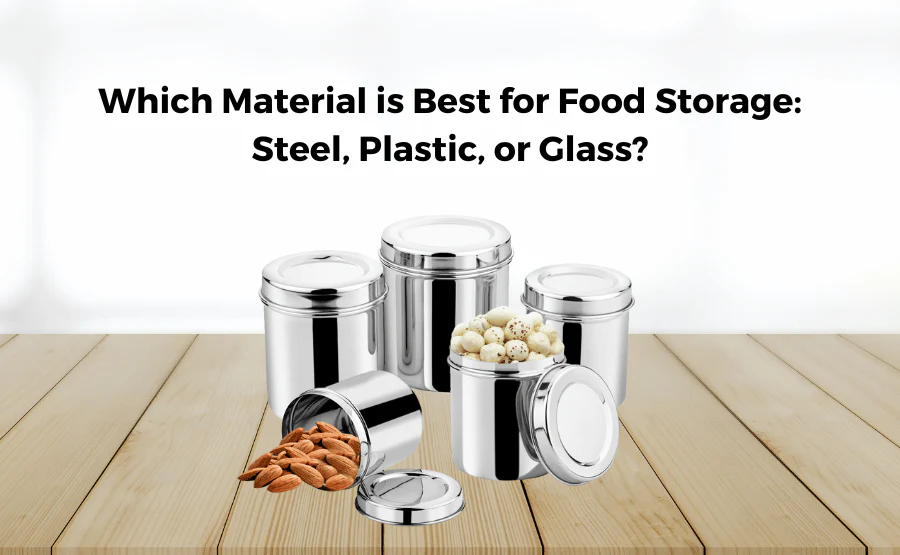
Stainless Steel Containers: Robust and Eco-Conscious
Stainless steel nesting food storage containers are gaining popularity for their extreme durability and sleek, modern aesthetic. They are an excellent choice for those looking to minimize plastic use.
- Pros: Stainless steel is incredibly tough, resistant to dents, corrosion, and rust. Like glass, it won’t absorb odors or flavors and is chemical-free, ensuring pure food preservation. They are ideal for cold storage, meal prepping, and packed lunches, holding temperature well.
- Cons: The main drawback is that stainless steel is not microwave-safe. It can also be heavier than plastic and opaque, meaning you can’t see the contents without opening the lid.
Beyond the Basics: How to Choose and Use Your Nesting Food Storage Containers Effectively
Making the right choice involves more than just material; it’s about finding a set that integrates seamlessly into your lifestyle.
Airtight Seals and Lids: The Key to Freshness
A robust, airtight seal is non-negotiable for effective food preservation. Look for lids with silicone or rubber gaskets and secure snap closures that lock in freshness and prevent leaks. While many plastic lids are designed for convenience, check reviews for durability and ensure they maintain their integrity after repeated washing, especially in a dishwasher, as some can warp over time.
Size and Shape for Every Need
Nesting food storage containers come in a variety of sizes and shapes. Rectangular and square designs are often the most space-efficient for stacking both within the refrigerator and when nested in cabinets. A diverse set with various capacities—from small containers for sauces and snacks to larger ones for family-sized leftovers or meal prep—offers maximum versatility.
Care and Maintenance: Longevity Through Proper Cleaning
To ensure your nesting food storage containers last for years, proper care is essential. Always check manufacturer guidelines for specific instructions regarding microwave, freezer, and dishwasher safety. For glass, let them come to room temperature before placing them in a hot oven to prevent thermal shock.
How can I prevent my food storage containers from staining?
To prevent staining, especially in plastic nesting food storage containers, always wash them immediately after use, particularly when they’ve held highly pigmented or acidic foods. For stubborn stains, a baking soda paste can often work wonders. Using glass containers for stain-prone items is also an excellent preventative measure.
Optimal Food Preservation Tips with Nesting Containers
Maximizing the life of your food is where nesting food storage containers truly shine.
- Meal Prep Power: Dedicate a day to batch cooking and portion out meals into your nesting containers. This not only saves time during the week but also encourages healthier eating habits.
- Leftover Lifesaver: Store leftovers promptly in airtight nesting containers to slow bacterial growth and maintain taste and texture.
- Freezer and Pantry Organization: Label and date your containers for efficient rotation. Nesting designs make it easier to manage freezer space, and clear pantry containers help you quickly assess inventory.
Health and Safety: A Priority with Your Food Storage Choices
The choice of your nesting food storage containers directly impacts your health and food safety. Non-reactive materials like glass and stainless steel are inherently safer, as they don’t interact with food or leach chemicals. When opting for plastic, ensuring it’s BPA-free and food-grade is paramount to avoid potential endocrine disruptors.
“Smart storage isn’t just about tidiness; it’s a fundamental pillar of nutritional well-being,” advises Dr. Anya Sharma, a food science and consumer health specialist. “By choosing high-quality, nesting food storage containers, you’re not only extending the life of your food but also safeguarding its nutritional value and preventing potential contamination. It’s a simple, yet powerful step towards a healthier lifestyle.”
Properly sealed nesting food storage containers also play a critical role in preventing cross-contamination, keeping raw meats separate from cooked foods and fresh produce.
Transforming Your Kitchen: Space Optimization and Utility
Beyond functionality, nesting food storage containers bring a sense of calm and order to the often-chaotic kitchen. Taming the “container cupboard chaos” becomes effortless when containers and their corresponding lids (if they also nest or stack neatly) have a designated, compact home. This streamlined approach not only makes your kitchen more pleasant to work in but also visually declutters the space, contributing to an overall sense of well-being. Consider organizing lids vertically in a small rack or basket for easy access, further maximizing your space.
Frequently Asked Questions
Are all nesting food storage containers microwave-safe?
No, not all nesting food storage containers are microwave-safe. Glass containers are generally microwave-safe (without metal or plastic lids), but always check the manufacturer’s specific instructions, especially for plastic or stainless steel, as the latter is never microwave-safe.
How do I keep my nesting containers organized when not in use?
The beauty of nesting food storage containers is their inherent design for organization. Simply stack smaller containers inside larger ones of the same set. For lids, consider a separate lid organizer or stand, or stack them neatly if their design allows.
Can nesting food storage containers really save that much space?
Absolutely! The primary design feature of nesting food storage containers is to significantly reduce the physical space they occupy in your cabinets or pantry when empty, often by 50% or more compared to non-nesting alternatives.
What’s the best material for nesting food storage containers if I want to avoid plastic?
If you wish to avoid plastic, glass (especially borosilicate) and stainless steel are your best options for nesting food storage containers. Both offer durability, do not leach chemicals, and are excellent for food preservation, each with their own unique benefits and considerations.
How do I deal with lingering odors in plastic containers?
To combat lingering odors in plastic nesting food storage containers, wash them immediately after use. For persistent smells, try soaking them in a mixture of baking soda and water, or leaving them in direct sunlight for a few hours after washing.
Embracing a Smarter Kitchen
Nesting food storage containers are more than just practical kitchen items; they are a strategic investment in kitchen efficiency, food preservation, and overall well-being. By choosing thoughtful designs and materials, you can transform your kitchen into a harmonious, clutter-free space where healthy eating and sustainable living thrive. Embrace the power of the nest and elevate your food storage game.