Are you tired of food spoiling too soon, or discovering pests in your pantry? The secret to a well-stocked, fresh, and resilient kitchen lies in understanding and implementing long-term airtight food storage containers. This isn’t just about keeping food from going bad; it’s about safeguarding your health, reducing waste, and ensuring peace of mind for you and your family. In a world where unexpected events can disrupt supply chains, having a robust food storage strategy isn’t just a smart move—it’s essential.
At Review Vie, we’re dedicated to empowering you with innovative and sustainable food storage solutions. We’ll explore the history, materials, and best practices to transform your kitchen into a bastion of freshness and health, positioning us as your trusted partner in this vital aspect of home management. Let’s dive in and unlock the full potential of your food reserves.
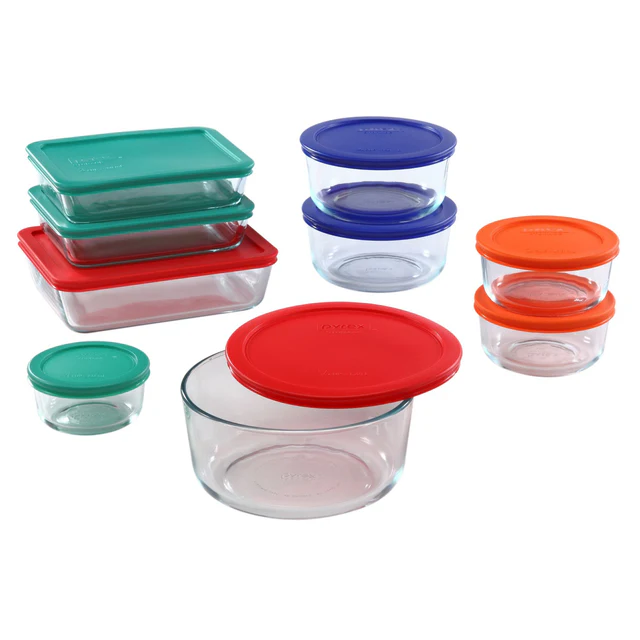
The Enduring Legacy and Vital Role of Food Storage Containers
For centuries, humans have sought ways to preserve food, from ancient fermentation techniques to modern refrigeration. Food storage containers, in their simplest forms, were integral to these efforts, protecting precious provisions from decay and predators. Today, with increased awareness of food waste, health, and preparedness, their importance has only grown.
The Science Behind the Seal: Why Airtight Matters
The primary enemies of stored food are oxygen, moisture, light, and pests. An airtight seal acts as a formidable barrier against these forces. When food is exposed to air, it undergoes oxidation, leading to changes in texture, flavor, and nutritional content. Moisture can introduce mold and bacteria, while light can degrade sensitive nutrients and flavors. Pests, well, nobody wants those in their pantry. Airtight containers slow down these processes, keeping your grains crisp, your spices potent, and your emergency reserves safe for months, or even years.
A Deep Dive into Materials: Choosing Your Container Allies
Selecting the right material for your long-term airtight food storage containers is crucial, as each offers unique advantages.
Food-Grade Plastic: The Workhorse of the Pantry
Plastic containers, especially those made from HDPE (High-Density Polyethylene) coded #2 or #5, are popular for their lightweight durability and stackability. They are often BPA-free, ensuring no harmful chemicals leach into your food. These are excellent for storing large volumes of dry goods like rice, beans, and flour. However, plastic is inherently permeable, meaning over very long periods, small amounts of oxygen and moisture can seep through. For extended storage (beyond 1-2 years), consider adding Mylar bag liners and oxygen absorbers for an extra layer of protection.
Glass: The Transparent Guardian
Glass jars are a timeless choice, offering a non-toxic, BPA-free solution that won’t absorb odors or stains. Their transparency allows for easy identification of contents, and they provide an excellent barrier against oxygen and humidity. Mason jars, in particular, are versatile and can even be vacuum-sealed for enhanced preservation of dried goods. The main drawbacks are their fragility and weight, especially for larger quantities.
Mylar Bags: The Ultimate Barrier
Mylar bags, often used in conjunction with food-grade buckets, are a game-changer for long-term food preservation. These metallic-looking bags create a near-perfect barrier against light, oxygen, and moisture. When combined with oxygen absorbers, Mylar bags can extend the shelf life of food dramatically, making them ideal for emergency preparedness or truly long-term storage (over two years). They are particularly effective for dry foods with low moisture and oil content.
Stainless Steel: Durable and Light-Blocking
Stainless steel containers are tough, chemical-free, and built to last. They are excellent for those seeking to avoid plastic and offer superior protection against light degradation, pests, and physical damage. While often pricier, they hold temperature well, resist stains and odors, and are virtually unbreakable. Most stainless steel containers are not microwave-friendly but excel in cold or dry storage.
Metal Tins: Traditional and Robust
Traditional metal tins, like #10 cans, provide a complete oxygen and moisture barrier. They are light and easy to manage, making them an excellent choice for optimal long-term dry food product preservation. They block light entirely and are highly resistant to pests and physical damage. Ensure they have airtight seals and consider using oxygen absorbers for maximum freshness.
Your Blueprint for Effective Food Storage: A Step-by-Step Guide
Choosing and using long-term airtight food storage containers effectively can significantly extend the life of your food.
- Assess Your Needs: What types of food are you storing (dry goods, perishables, liquids)? How long do you need to store them? What is your budget and available storage space?
- Select Quality Materials: Opt for food-grade plastics (HDPE #2 or #5), glass, Mylar bags, or stainless steel, depending on your food type and storage duration. For plastics, look for BPA-free labels.
- Ensure a True Airtight Seal: This is non-negotiable. Look for containers with robust snap-lock lids, rubber gaskets, or vacuum-sealed systems. To test a seal at home, fill the container with water, close it tightly, and shake; no leaks mean a good seal.
- Consider Oxygen Absorbers and Desiccant Packs: For very long-term storage of dry goods (less than 10% moisture and low oil content), oxygen absorbers remove residual oxygen, preventing spoilage and inhibiting insect growth. Desiccant packs (silica gel) absorb moisture, crucial for dried fruits and similar items. Remember: never use oxygen absorbers with moist foods or yeast, as this can create dangerous conditions.
- Prioritize Space Efficiency: Look for stackable or modular designs that maximize vertical space in your pantry or shelves. Square or rectangular shapes are often more space-efficient than round ones.
- Label Everything: Clearly label containers with contents and the date of storage or expiration. Implement a “First In, First Out” (FIFO) system to ensure you’re rotating your stock and consuming older items first.
- Store in Optimal Conditions: Keep your containers in a cool, dark, and dry place. Heat and humidity accelerate food degradation, even in sealed containers. Light can also degrade nutrients.
Maximizing Food Preservation with Smart Storage Strategies
Beyond the containers themselves, several techniques can further enhance your food’s longevity.
Vacuum Sealing: A Breath of Fresh Air for Your Food
Vacuum sealing removes air, a major culprit in food spoilage, extending freshness significantly. This method is excellent for freezer storage to prevent freezer burn and for preserving shelf-stable dry foods in your pantry. A vacuum sealer with an accessory port can even be used with Mason jar attachments for an efficient, reusable system.
Diatomaceous Earth: Nature’s Pest Control
Food-grade diatomaceous earth, a natural powder made from fossilized algae, can be added directly to dry goods like grains and legumes. It’s safe for human consumption in small amounts but deadly to insects due to its sharp microscopic edges. Sprinkle a small amount (e.g., a teaspoon per pound) into your storage buckets for an organic pest deterrent.
Bay Leaves: An Aromatic Defense
Surprisingly, bay leaves aren’t just for cooking! Placing them inside food containers or sprinkling them around storage areas can deter pests, as they dislike the smell. Remember to replace them every few months as their effectiveness diminishes over time.
The Ripple Effect: Health, Safety, and Kitchen Harmony
Investing in high-quality long-term airtight food storage containers brings a cascade of benefits that extend far beyond simply keeping food fresh.
Guarding Your Health and Ensuring Food Safety
Airtight containers are your first line of defense against foodborne illnesses. By preventing bacteria, mold, and pests from contaminating your food, they ensure what you eat is safe and hygienic. This is especially critical for dry goods that attract insects and perishables prone to bacterial growth. Furthermore, airtight seals maintain nutritional value, preventing the degradation of vital vitamins, antioxidants, and healthy fats that occurs when food is exposed to air.
Reducing Waste and Saving Money
Every year, an astonishing amount of food is wasted due to improper storage. By extending the shelf life of your groceries, airtight containers empower you to significantly reduce food waste, translating into substantial savings on your grocery bills. This sustainable practice also lessens your environmental footprint.
Optimizing Your Kitchen Space and Enhancing Convenience
Cluttered pantries are a thing of the past with well-designed food storage solutions. Stackable, modular containers optimize vertical space, keeping your pantry, fridge, and freezer tidy and efficient. Clear containers allow you to quickly identify ingredients, while thoughtful labeling ensures you always know what you have and when it needs to be used. This organization streamlines meal prep and reduces stress in the kitchen.
Expert Insights: A Glimpse into the Future of Food Storage
“The future of food storage is undeniably intertwined with sustainability and smart technology,” says Dr. Amelia Vance, a leading expert in food science and consumer health. “We’re seeing advancements in eco-friendly materials and intelligent container systems that not only preserve food longer but also provide real-time monitoring of freshness. The goal is a holistic approach that benefits both human health and the planet.”
Dr. Vance emphasizes the importance of understanding the specific needs of different foods. “For instance, highly processed snacks might benefit from a simple airtight seal, but nutrient-dense staples like grains and legumes demand a multi-layered approach involving oxygen absorbers and climate control to truly thrive in long-term storage.”
Frequently Asked Questions
Q: Are all containers labeled “airtight” truly effective?
A: No, not all containers provide the same level of airtightness. Look for products with rubber or silicone gaskets and strong locking mechanisms. Performing the water-shake test at home can help you verify the seal’s effectiveness.
Q: Can I use airtight containers in the freezer?
A: Yes, many airtight containers made from durable plastic or glass are freezer-safe. When freezing liquids, remember to leave some headspace to allow for expansion. Always check the manufacturer’s guidelines.
Q: How often should I inspect or replace my food storage containers?
A: Regularly inspect your containers for signs of warping, cracks, or damage to the lid or gasket. If a lid no longer seals properly or the container shows wear, it’s time to replace it to ensure your food remains fresh and safe.
Q: Is it safe to store different types of food in the same container material?
A: While many materials are versatile, it’s best to match the container to the food. Glass is excellent for most foods, but plastic buckets might be more practical for bulk dry goods, and Mylar bags for ultra-long-term storage. Consider food sensitivity to light or oil content when choosing.
Q: What are the benefits of using a “First In, First Out” (FIFO) system?
A: A FIFO system ensures that older food items are used before newer ones. This prevents spoilage, maintains optimal freshness, and reduces waste by promoting regular rotation of your stored food supply.
A Fresher Future, One Container at a Time
Embracing long-term airtight food storage containers is more than just a trend; it’s a foundational step towards a healthier, more sustainable, and resilient lifestyle. By understanding the science behind food preservation, choosing the right materials, and implementing smart storage practices, you can dramatically extend the life of your food, protect your health, and minimize waste.
We encourage you to assess your current storage methods, upgrade where necessary, and begin building a food storage system that serves your family’s needs for years to come. Share your experiences, discover new tips, and join the Review Vie community in shaping a future where fresh, safe, and nutritious food is always within reach.