In our busy lives, keeping food fresh, safe, and easily accessible isn’t just a convenience; it’s a necessity. That’s where Locking Food Storage Containers step in, transforming chaotic fridges and pantries into organized havens of preserved goodness. These everyday heroes, with their clever seals and secure latches, are far more than just plastic or glass boxes; they’re your secret weapon against food waste, messy spills, and the dreaded “mystery leftovers.”
For generations, humanity has sought better ways to preserve food, from salting and curing to canning. The modern locking food storage container represents a significant leap, evolving from simple lidded pots to sophisticated systems designed to create an impenetrable barrier against the elements. Today, these containers are indispensable tools in any kitchen, helping us maintain healthy eating habits and efficient meal management.
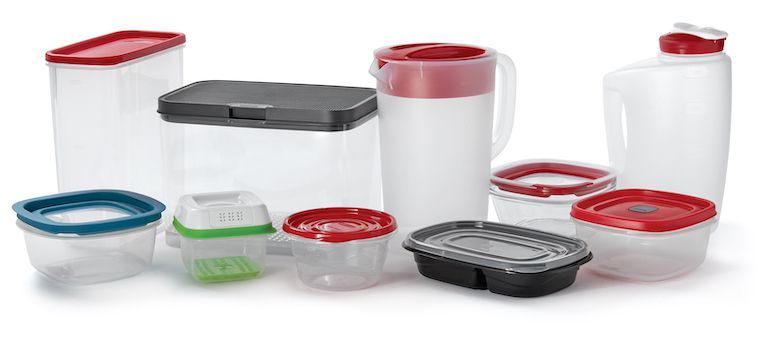
Unlocking the Benefits: Why You Need Them
Have you ever opened your fridge only to find your carefully prepared meal spoiled, or discovered a sticky mess from a tipped-over container? Locking food storage containers tackle these common kitchen woes head-on, offering a multitude of benefits that make them an essential part of a well-run home.
Extended Shelf Life & Flavor Preservation
The primary advantage of locking food storage containers lies in their superior ability to create an airtight and leakproof seal. This isn’t just marketing jargon; it’s science. By preventing air from entering and moisture from escaping, these containers significantly slow down the oxidation process that causes food to spoil and lose flavor. Think about it: that crisp salad stays crisp longer, and your fragrant herbs retain their potency, all thanks to a secure lock and an enhanced silicone gasket. This means less food waste and more delicious meals, allowing you to enjoy your culinary creations at their peak.
Food Safety & Hygiene
Beyond freshness, these containers play a critical role in maintaining food safety. An airtight seal acts as a protective shield, safeguarding your food from airborne contaminants and significantly inhibiting the growth of bacteria. It also keeps unwanted pantry guests, like insects and rodents, out of your dry goods. Furthermore, choosing BPA-free locking food storage containers ensures that no harmful chemicals leach into your food, providing peace of mind for you and your family. This commitment to non-toxic materials is paramount for healthy food storage.
Ultimate Organization & Space-Saving
A disorganized kitchen can quickly lead to stress and inefficiency. Many locking food storage containers are designed with stackability and modularity in mind, allowing them to fit neatly together in your refrigerator, freezer, or pantry. This smart design maximizes your storage space, making it easier to see what you have, reducing clutter, and streamlining your meal prep routine. No more rummaging through a mountain of mismatched lids and bases!
Versatility & Convenience
Modern living demands flexibility, and locking food storage containers deliver. Most are versatile enough to go from the freezer to the microwave (often without the lid), and then directly into the dishwasher for easy cleanup. They are perfect for meal prepping, packing lunches, storing leftovers, or even transporting ingredients to a potluck without fear of spills. This all-in-one functionality simplifies your kitchen routine, saving you time and effort.
Choosing Your Perfect Match: Materials Matter
When selecting locking food storage containers, the material plays a crucial role in determining their performance, durability, and suitability for different uses. Each type offers unique advantages, making the “best” choice truly dependent on your specific needs.
Plastic Power
Plastic containers are often the most budget-friendly, lightweight, and incredibly durable option. They’re fantastic for portability, ideal for packed lunches, and come in a vast array of shapes and sizes. When choosing plastic, always prioritize BPA-free locking food storage containers to avoid potential chemical exposure. While some plastics can stain or absorb odors, newer designs, like those with enhanced seals, significantly mitigate these issues. They are generally safe for the freezer and microwave (check manufacturer guidelines, especially for lids), but it’s often recommended to avoid heating hot, acidic foods in plastic.
Glass Elegance
For those who value aesthetics, non-reactivity, and oven-to-table functionality, glass containers are a superb choice. Glass does not absorb stains, odors, or flavors, making it perfect for storing vibrant tomato sauces or pungent garlic dishes without lingering residues. It’s also entirely chemical-free and safe for the refrigerator, freezer, and oven (lid removed). While heavier and more prone to breaking than plastic, the peace of mind regarding health and the environment often outweighs these drawbacks. Many glass options feature robust snap-locking lids with silicone seals for maximum freshness.
Stainless Steel Strength
Stainless steel containers are the epitome of durability and a modern, sleek aesthetic. They are chemical-free, exceptionally tough, and excellent at retaining temperature, making them ideal for keeping food cold or hot (though not microwave-safe). They won’t stain, absorb smells, or break, offering a lifetime of use. Stainless steel is a fantastic choice for meal prepping, packed lunches, or bulk dry goods, especially if you’re looking for an ultra-durable, non-plastic alternative.
Here’s a quick comparison to help you weigh your options:
| Feature | Plastic | Glass | Stainless Steel |
|---|---|---|---|
| Cost | Low | Moderate to High | High |
| Weight | Low, highly portable | High, less portable | Moderate |
| Durability | Good, shockproof | Good, but breakable | Excellent, almost indestructible |
| Chemical Safety | Good (if BPA-free) | Excellent (non-reactive) | Excellent (non-reactive) |
| Stain/Odor | Can absorb (improving with new tech) | Resistant | Resistant |
| Microwave Safe | Yes (container, often not lid) | Yes (container, no lid) | No |
| Oven Safe | No | Yes (container, no lid) | No |
| Eco-Friendliness | Reusable (if recycled properly) | Highly recyclable, long lifespan | Highly recyclable, long lifespan |
| Transparency | Yes (clear options) | Yes | No |
Mastering the Art of Storage: Tips for Optimal Use
Getting the most out of your locking food storage containers goes beyond just buying them. A few simple practices can significantly enhance their effectiveness and extend the life of your food.
Proper Filling and Sealing
Avoid overfilling containers, especially with liquids, to ensure the lid can create a proper seal. When closing a locking container, make sure all latches are securely fastened. You should often hear or feel a “click” as the mechanism engages, confirming an airtight closure. For maximum freshness, consider pressing down on the lid as you latch it to expel any excess air.
Labeling and Dating
It sounds simple, but labeling your containers with the contents and date of storage can be a game-changer. This helps you keep track of freshness, prioritizes older items, and prevents the “what’s this?” dilemma. Use washable markers on glass or reusable labels for easy updates.
Maximizing Fridge/Pantry Space
Take advantage of the stackable designs of many locking food storage containers. Create neat towers in your fridge or pantry, utilizing vertical space efficiently. Modular sets are particularly good for this, as they are designed to fit together seamlessly. Clear containers are also a win, allowing you to instantly see your inventory.
Cleaning and Maintenance
To ensure longevity, always follow the manufacturer’s cleaning instructions. Most containers are dishwasher safe, but handwashing lids with intricate silicone seals can sometimes help prevent residue buildup in tiny crevices. If you experience lingering odors or stains, a baking soda paste can often work wonders. Regularly check silicone gaskets for wear and tear, as a compromised seal means compromised freshness.
Beyond the Basics: Health, Safety, and Sustainability
Using locking food storage containers contributes to a healthier lifestyle and a healthier planet.
Reducing Food Waste
By keeping food fresher longer, these containers directly combat food waste, saving you money and reducing your environmental footprint. When you can confidently store leftovers or meal prep ingredients for days, you’re less likely to discard edible food.
Avoiding Harmful Chemicals
The widespread availability of BPA-free locking food storage containers means you no longer have to worry about potentially harmful chemicals leaching into your meals. This is a vital step toward safer food preparation and consumption.
Environmental Impact of Reusable Containers
Opting for reusable, durable containers, especially those made from glass or stainless steel, significantly reduces your reliance on single-use plastics and disposable wraps. This sustainable choice minimizes landfill waste and conserves resources, making a positive impact on the environment.
Expert Insight: A Fresh Perspective
“The transformation I’ve seen in home kitchens, driven by advanced food storage, is remarkable,” says Dr. Anya Sharma, a renowned food science and sustainability expert. “Consumers are more aware than ever of how proper storage impacts nutrition and prevents waste. Locking food storage containers are at the forefront of this shift, offering practical solutions that merge convenience with health and environmental responsibility.”
Frequently Asked Questions
Are locking food containers truly airtight?
Yes, high-quality locking food storage containers are designed with mechanisms like four-hinge clasps and silicone or rubber gaskets that create a truly airtight seal, preventing air and moisture from entering or escaping.
Can I put hot food in locking plastic containers?
While some plastics are microwave-safe, it’s generally recommended to allow hot foods to cool before placing them in plastic containers to prevent potential chemical leaching or container warping. Glass or stainless steel are safer alternatives for hot food storage.
How do I prevent my containers from staining or absorbing odors?
Glass and stainless steel are naturally resistant to stains and odors. For plastic containers, rinsing immediately after use and avoiding highly pigmented or aromatic foods can help. A baking soda and water paste can also be used for deep cleaning if odors or stains persist.
Are all locking containers microwave and dishwasher safe?
Most modern locking food storage containers are designed for microwave and dishwasher use, but it’s crucial to always check the manufacturer’s instructions. Lids, especially those with seals, may require specific care or be hand-wash only.
What does “BPA-free” mean for my food storage?
“BPA-free” means the product does not contain Bisphenol A, a chemical commonly used in certain plastics that has raised health concerns regarding its potential to leach into food. Choosing BPA-free options is a safe practice for food storage.
Conclusion
Locking food storage containers are more than just kitchen accessories; they are foundational tools for a healthier, more organized, and sustainable lifestyle. By providing unparalleled freshness, ensuring food safety, and streamlining your kitchen, these innovative solutions empower you to take control of your food and reduce waste. Embrace the power of secure, airtight storage, and discover how these essential items can elevate your daily routine, keeping your food fresher, longer.