There’s something uniquely comforting about a warm, homemade meal, especially when you’re far from your kitchen. Whether you’re navigating a busy workday, sending your kids to school, or embarking on an outdoor adventure, the thought of a delicious, hot meal can instantly brighten your day. This is where Hot Food Storage Containers step in, transforming the way we enjoy food on the move. They’re not just fancy lunchboxes; they are innovative solutions designed to keep your culinary creations perfectly warm, ensuring every bite is as satisfying as the first.
The Enduring Appeal of Warm Meals: A Brief History and Importance
The desire to keep food warm has been a human constant for centuries. From ancient insulated pots to modern thermal technologies, the goal remains the same: to preserve the comforting warmth and flavor of a meal. In today’s fast-paced world, hot food storage containers have become indispensable. They offer the convenience of enjoying home-cooked meals anywhere, bypassing the need for microwaves or unhealthy takeout. For busy professionals, they mean a nourishing break from the office cafeteria; for parents, they ensure children get wholesome, warm lunches. It’s about more than just convenience; it’s about comfort, taste, and a little piece of home, no matter where you are.
How Hot Food Storage Containers Work: The Science of Insulation
At the heart of every effective hot food storage container lies the magic of insulation. The most common and highly efficient method involves vacuum insulation. Imagine two walls, typically made of stainless steel, with a vacuum created between them. This vacuum acts as a powerful thermal barrier, significantly minimizing heat transfer through conduction and convection. By removing the air, which would otherwise carry heat away, the container effectively “locks in” the warmth of your food, keeping it hot for hours.
Many premium hot food storage containers also incorporate a double-wall construction that further boosts their insulating capabilities. Some even feature multi-layered protection, including a copper layer, to enhance temperature retention even more. This clever engineering ensures that while your food stays piping hot inside, the exterior remains cool and comfortable to the touch, preventing accidental burns.
Exploring the Materials: Which Keeps Your Food Hottest?
When it comes to hot food storage containers, the material makes a world of difference. Each material offers a unique set of properties impacting heat retention, durability, and usability.
Stainless Steel: The Gold Standard
For superior, long-term heat retention, stainless steel is the undisputed champion. Often made from 18/8 or 304-grade stainless steel, these containers excel due to their:
- Insulating Properties: Especially when combined with vacuum insulation, stainless steel keeps food hot for extended periods, often 6-12 hours or more.
- Durability: Stainless steel is robust, resisting dents, rust, and corrosion, making it ideal for daily use and outdoor adventures.
- Safety: It’s non-reactive, meaning it won’t leach harmful chemicals into your food, and it doesn’t retain odors or stains.
- Ease of Cleaning: Most stainless steel containers are easy to hand wash, and some are even dishwasher-safe.
Glass and Ceramic: Classic Charm with Limitations
Glass and ceramic containers offer a traditional aesthetic and are excellent for even heat distribution, making them oven-friendly for reheating. However, they generally don’t retain heat as long as stainless steel, especially for portable use. They are also heavier and more fragile, which can be a drawback for on-the-go lifestyles. While great for serving hot dishes at home, they might not be the best choice for transport.
Advanced Polymers and Plastics: Lightweight and Budget-Friendly
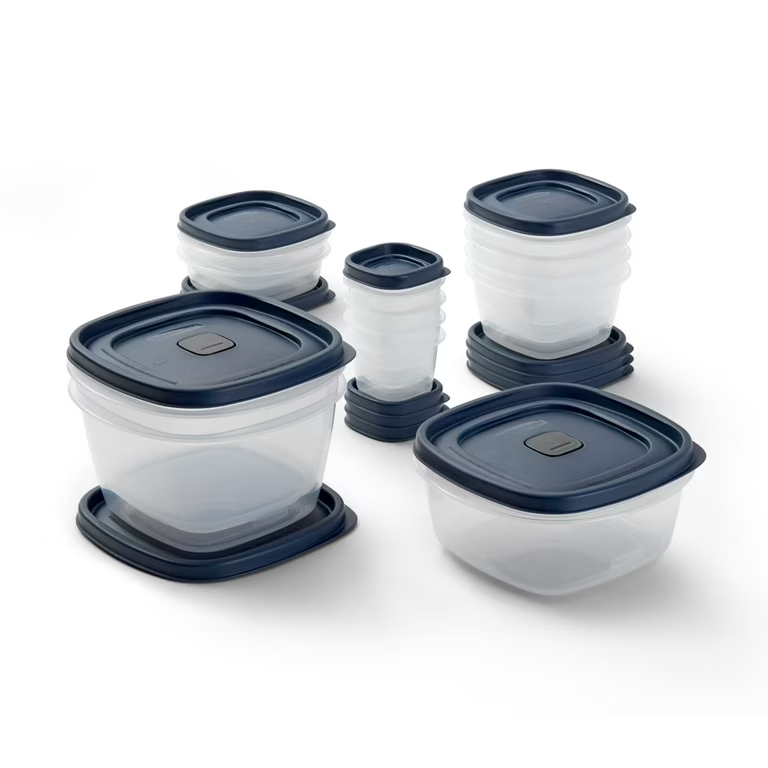
For budget-conscious buyers, advanced polymers (plastics) can offer a decent balance of portability and affordability. Look for double-walled designs that provide better insulation than standard plastic. Many plastic hot food storage containers are microwave-safe, which can be a convenient feature for reheating. However, their heat retention capabilities are generally less effective than vacuum-insulated stainless steel for keeping food hot over many hours. Always ensure any plastic container is food-grade and free from harmful chemicals.
Choosing Your Perfect Hot Food Storage Container: Key Factors
Selecting the right hot food storage container involves more than just picking a pretty color. Here’s what truly matters:
Insulation Performance
This is the core function. High-quality vacuum-insulated stainless steel containers can keep food hot for 6 to 12 hours or even longer. Consider how long you need your food to stay warm to choose a container with appropriate insulation technology.
Capacity
Think about your typical portion sizes. A container of 10 ounces might be perfect for a small serving of soup, while 16 ounces or more is better for a full meal like pasta or stew. Avoid underfilling, as more air space inside a container can lead to faster heat loss.
Lid Quality
A leak-proof and secure lid is non-negotiable. Even the best insulation can be undermined by a poorly sealed lid, leading to spills and heat loss. Check for robust sealing mechanisms and ensure it’s easy to open and close, especially if it’s for a child. Some lids also come with integrated spoons or compartments for extra convenience.
Mouth Width
A wide-mouth opening is a game-changer. It makes filling the container with food, eating directly from it, and thorough cleaning much easier. This is particularly important for chunkier foods like stews or rice dishes.
Durability and Portability
Your container should be able to withstand the bumps and jostles of daily life. Stainless steel, known for its ruggedness, is often a top choice for durability. Consider the container’s weight and shape for easy transport in bags or backpacks.
Ease of Cleaning
Nobody wants a container that’s a nightmare to clean. Look for models with wide openings and simple designs. Many stainless steel options are designed for easy hand-washing, and some are even dishwasher-safe for ultimate convenience.
Maximizing Heat Retention: Pro Tips for Piping Hot Meals
Even the best hot food storage containers can benefit from a few clever tricks to keep your food at its optimal temperature for longer.
Preheat Your Container
This simple step makes a huge difference. Before adding your hot food, fill the container with boiling water, put the lid on, and let it sit for about 5 to 10 minutes. Empty the water just before you’re ready to pack your meal. This warms the interior, preventing your hot food from losing heat immediately upon contact with a cold surface.
Heat Food to Piping Hot
Start with your food as hot as safely possible. The hotter your food is when you pack it, the longer it will retain its warmth. Ensure dishes like soups, stews, or pasta are steaming hot before transferring them.
Fill Completely
A container that’s full leaves less air space for heat to escape, helping to maintain the temperature more effectively.
Seal Tightly and Minimize Opening
Once your food is packed, secure the lid tightly. Every time you open the container, heat escapes, so try to minimize openings until you’re ready to eat.
Add External Insulation
For an extra layer of warmth, wrap your hot food storage container in a towel or place it inside an insulated bag or cooler (yes, coolers work for hot food too!). This creates an additional barrier against external temperature changes.
Strategic Stacking
If you’re transporting multiple dishes, pack the hottest items in the center of an insulated carrier. Using towels or silicone mats as dividers can help create heat barriers and fill any gaps, further minimizing heat loss.
Beyond Convenience: Health, Safety, and Sustainability Benefits
Choosing the right hot food storage container extends benefits far beyond just enjoying a warm meal. It impacts your health, safety, and even the planet.
Food Safety
Maintaining food at safe temperatures is crucial to prevent the growth of harmful bacteria. Hot food should be held at a minimum of 135°F (57°C), with the USDA recommending 140°F (60°C) or higher to avoid the “danger zone” (41°F-135°F / 5°C-57°C) where bacteria multiply rapidly. High-quality hot food storage containers are designed to keep your meals above this critical threshold, safeguarding against foodborne illnesses.
Healthier Eating
Packing homemade meals in hot food storage containers allows you to control ingredients, portion sizes, and nutritional content. This encourages healthier eating habits, helping you avoid processed snacks, unhealthy takeout, and excessive sodium, sugar, or unhealthy fats found in many prepared foods.
Cost Savings
Consistently packing your lunch or snacks in a reusable hot food container can lead to significant cost savings over time. Ditching daily takeout or expensive cafeteria meals adds up, putting more money back in your pocket.
Environmental Impact
By opting for reusable hot food storage containers, you actively reduce your reliance on single-use plastics and disposable packaging. This practice contributes to decreasing landfill waste and minimizes your environmental footprint. Many stainless steel containers are also fully recyclable, enhancing their eco-friendly appeal.
As Dr. Anya Sharma, a renowned food science expert, often says, “The right hot food storage container isn’t just about warmth; it’s a strategic tool for nutritional integrity and daily convenience. Investing in quality insulation is investing in your well-being.”
Frequently Asked Questions
How long can hot food containers keep food warm?
High-quality, vacuum-insulated hot food storage containers, typically made of stainless steel, can keep food warm for an impressive 6 to 12 hours, sometimes even longer, depending on the initial temperature of the food and external conditions.
Are hot food containers safe?
Yes, when used correctly, hot food containers are very safe. They help keep food above the “danger zone” (41°F-135°F / 5°C-57°C) where bacteria thrive, preventing foodborne illnesses. Look for food-grade materials like 18/8 stainless steel, which won’t leach chemicals.
What is the best material for hot food containers?
Stainless steel, particularly with double-wall vacuum insulation, is widely considered the best material for hot food storage containers due to its superior heat retention, durability, safety, and ease of cleaning.
Can I put hot food containers in the microwave?
Most metal hot food storage containers, especially those made of stainless steel, are NOT microwave-safe and should never be placed in a microwave. Some plastic containers are microwave-safe, but always check the manufacturer’s instructions and labels before microwaving.
How do I clean a hot food storage container?
For best results, clean your hot food storage container immediately after use. Most stainless steel containers can be hand-washed with warm, soapy water and a bottle brush. Some are dishwasher-safe; check the manufacturer’s guidelines. Ensure all parts, including seals and lids, are thoroughly cleaned and air-dried to prevent odor and mold.
Elevate Your Mealtime Experience
The simple pleasure of a warm meal can transform your day. With the right hot food storage containers and a few smart habits, you can enjoy delicious, healthy, and safe meals wherever life takes you. It’s an investment in your well-being, your wallet, and the planet. So go ahead, embrace the warmth, and elevate your mealtime experience!