Ever peered into your freezer, hoping to unearth a perfectly preserved meal, only to find an icy, questionable block that vaguely resembles what you once intended to eat? You’re not alone. The journey from fresh ingredients to long-lasting frozen meals hinges on one crucial, yet often overlooked, hero: the freezer food storage container. At Review Vie, we’re dedicated to transforming your food preservation experience, ensuring every frozen delight is as fresh and flavorful as the day it was prepared.
The Silent Guardians of Your Freezer: A Brief History and Importance of Food Storage Containers
For centuries, humans have sought ingenious ways to extend the life of food. From salting and smoking to canning and root cellars, the quest for preservation is as old as civilization itself. The advent of modern refrigeration and freezers revolutionized home food management, making bulk buying, meal prepping, and waste reduction not just possible, but practical. Yet, the freezer itself is only half the equation. The real magic happens with the right Freezer Food Storage Containers. These unsung kitchen essentials are vital for more than just organization; they are critical for maintaining food safety, preventing dreaded freezer burn, and locking in the taste and nutrients you worked so hard to preserve.
Decoding Freezer-Safe Materials: Plastic, Glass, and Beyond
Choosing the right material for your freezer containers is paramount. Each comes with its own set of advantages and considerations.
Plastic Power
Plastic containers are a popular choice, lauded for their lightweight nature, affordability, and versatility. They’re often stackable, making freezer organization a breeze. However, when selecting plastic for freezing, it’s crucial to look for options specifically labeled “freezer-safe” and “BPA-free.” Not all plastics are created equal; some thinner plastics can become brittle and crack in the harsh cold of the freezer, while BPA (Bisphenol A) is a chemical that many prefer to avoid in food contact materials. Always opt for thick-walled, durable plastic that can withstand temperature extremes without deforming or leaching.
Glass Glamour
Glass freezer food storage containers are often considered the gold standard, and for good reason. Their non-porous surface means no lingering odors, stains, or flavor absorption, making them incredibly hygienic. Glass offers crystal-clear visibility, so you always know what’s inside, and many are designed to go directly from the freezer to the microwave or oven for convenient reheating. While more durable in many respects, it’s important to choose tempered glass, specifically designed for freezing, and look for wide-mouth designs. This prevents breakage due to the expansion of liquids during freezing, a common pitfall with standard glass jars. The downside? They tend to be heavier and bulkier than their plastic counterparts.
Beyond the Basics
While plastic and glass dominate, other materials offer specialized benefits. Silicone containers and bags, known for their extreme flexibility and wide temperature range, are excellent for freezing purées, sauces, or even baked goods, allowing for easy removal once frozen. Stainless steel, though durable and eco-friendly, is generally not recommended for direct freezer storage of food, as its conductive properties can lead to increased freezer burn and the opaque nature hides contents.
“Effective freezer management isn’t just about prolonging food life; it’s about preserving its quality and nutritional value. The right container is your first line of defense against freezer burn and nutrient loss,” advises Dr. Anya Sharma, a renowned food science expert specializing in preservation technologies.
Choosing Your Freezer Allies: A Practical Guide
Selecting the perfect freezer food storage containers requires a little foresight. Here’s what to keep in mind:
What to Look For
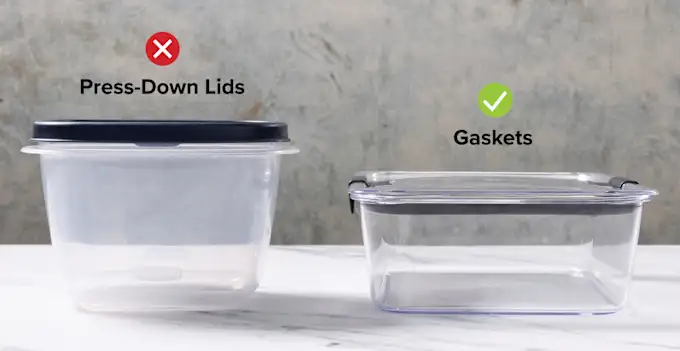
- Airtight Seals: This is non-negotiable. An airtight lid is your best defense against freezer burn, preventing moisture loss and the absorption of unwanted odors.
- Moisture Vapor Resistance: The material itself should resist moisture transfer to protect food quality.
- Durability at Low Temperatures: Containers must be able to withstand freezing temperatures without cracking or becoming brittle.
- Stackability and Straight Sides: For efficient freezer organization, look for containers that stack neatly. Straight-sided designs make it much easier to remove frozen blocks of food.
- Freezer-Safe Labeling: Always check for manufacturer labels confirming the product is freezer-safe.
Size Matters
Consider the portions you typically freeze. Freezing very large quantities, especially of fruits and vegetables, in a single container can lead to slow freezing, which negatively impacts quality. Smaller, portion-sized containers are often ideal for quicker freezing and easier meal management.
Labeling and Organization
This simple step can revolutionize your freezer experience. Clearly label each container with its contents and the date it was frozen. Reusable labels, erasable markers, or even color-coded lids can help you quickly identify items and manage your inventory effectively, ensuring you use food before its quality diminishes.
Mastering Freezer Preservation: Tips for Optimal Food Quality
Even the best freezer food storage containers need a little help to perform their best.
- Prevent Freezer Burn: The enemy of frozen food! Freezer burn occurs when food is exposed to air, causing dehydration. To prevent this, always remove as much air as possible from your containers or bags before sealing. Ensure lids are tightly secured.
- Leave Headspace: When freezing liquids or foods with high water content (like soups, sauces, or fruit purées), remember that water expands when it freezes. Leave about half an inch to an inch of headspace in your container to accommodate this expansion and prevent cracking, especially with glass.
- Cool Before Freezing: Never put hot food directly into the freezer. This can raise the temperature of surrounding foods, potentially compromising their safety and quality. Allow food to cool completely in the refrigerator first.
- Maintain Consistent Temperature: Keep your freezer at 0° Fahrenheit (-18° Celsius) or below. A consistent temperature is crucial for safe, high-quality frozen storage. An appliance thermometer can help you monitor this.
- Thaw Safely: The safest way to thaw frozen food is slowly in the refrigerator. For quicker thawing, use cold running water or the microwave. Never thaw foods at room temperature.
Beyond Freshness: Health, Safety, and Sustainability Benefits
Embracing smart freezer food storage containers goes beyond just taste.
- Minimizing Food Waste: By properly freezing leftovers and bulk purchases, you drastically reduce the amount of food that ends up in the bin, saving money and helping the environment.
- Reducing Chemical Exposure: Choosing BPA-free plastics or glass means you’re actively reducing your family’s exposure to potentially harmful chemicals.
- Eco-Friendly Choices: Investing in durable, reusable containers made from materials like glass or high-quality plastic reduces your reliance on single-use plastic bags and wraps, contributing to a more sustainable kitchen.
Kitchen Harmony: Maximizing Space and Efficiency
A well-organized freezer is a joy to behold. Stackable freezer food storage containers are a game-changer, allowing you to utilize vertical space effectively. Consider modular systems where different container sizes can interlock or stack seamlessly, creating a tidy and accessible freezer landscape. This not only saves space but also makes it easier to find what you need without a frustrating treasure hunt.
Frequently Asked Questions
Are all plastic containers freezer safe?
No, not all plastic containers are safe for freezing. Look for specific labeling that indicates they are “freezer-safe.” Thin, single-use plastics can become brittle and crack in low temperatures.
Can I put hot food directly into freezer containers?
It’s best to allow food to cool completely in the refrigerator before transferring it to freezer containers and placing it in the freezer. Putting hot food directly into the freezer can affect the temperature of other frozen items and may impact food safety.
How long can food last in freezer containers?
While freezing keeps food safe indefinitely, the quality can degrade over time. Generally, cooked foods and meats can last 3-6 months, and vegetables 8-12 months, in good quality freezer containers before taste and texture are significantly affected.
What is freezer burn and how do I prevent it?
Freezer burn occurs when food is exposed to air in the freezer, causing dehydration and oxidation, leading to dry, discolored spots. To prevent it, use airtight freezer food storage containers, remove as much air as possible before sealing, and ensure your food is well-wrapped or immersed in liquid.
Are glass containers truly safe for freezing?
Yes, tempered glass containers specifically designed for freezing are very safe. They are non-porous and resist temperature changes well. However, avoid using regular glass jars, especially those with narrow mouths, as they can break due to liquid expansion during freezing.
Conclusion
Embracing the right freezer food storage containers is a simple yet powerful step towards a more organized, sustainable, and healthy kitchen. From safeguarding the nutritional integrity of your meals to preventing frustrating food waste, these containers are indispensable allies in your culinary journey. At Review Vie, we encourage you to explore the innovative and sustainable solutions available, elevating your food preservation practices and transforming your freezer into a well-stocked pantry of possibilities. Invest wisely, organize smartly, and enjoy the peace of mind that comes with perfectly preserved food, every time.