Have you ever found yourself staring into a fridge full of half-eaten meals and forgotten ingredients, wondering how to keep your food fresh for longer? Or perhaps you’ve struggled with leaky containers, messy spills, and a general lack of kitchen organization. If so, you’re not alone. The secret to a more efficient kitchen, reduced food waste, and healthier eating habits often lies in one simple yet incredibly effective solution: quality Food Storage Containers With Lids. These unassuming heroes are far more than just boxes; they are essential tools in modern culinary life, designed to protect your food, your health, and your peace of mind.
For centuries, people have sought innovative ways to preserve food. From salting and smoking to canning and pickling, our ancestors understood the critical importance of keeping food safe and edible. Fast forward to today, and while the methods have evolved, the core need remains. Modern food storage containers with lids represent the pinnacle of this evolutionary journey, offering convenience, hygiene, and enhanced preservation. They’re not just about avoiding spoilage; they’re about maintaining flavor, nutritional value, and preventing foodborne illnesses. Think of them as your personal food guardians, diligently working to extend the life of your culinary creations.
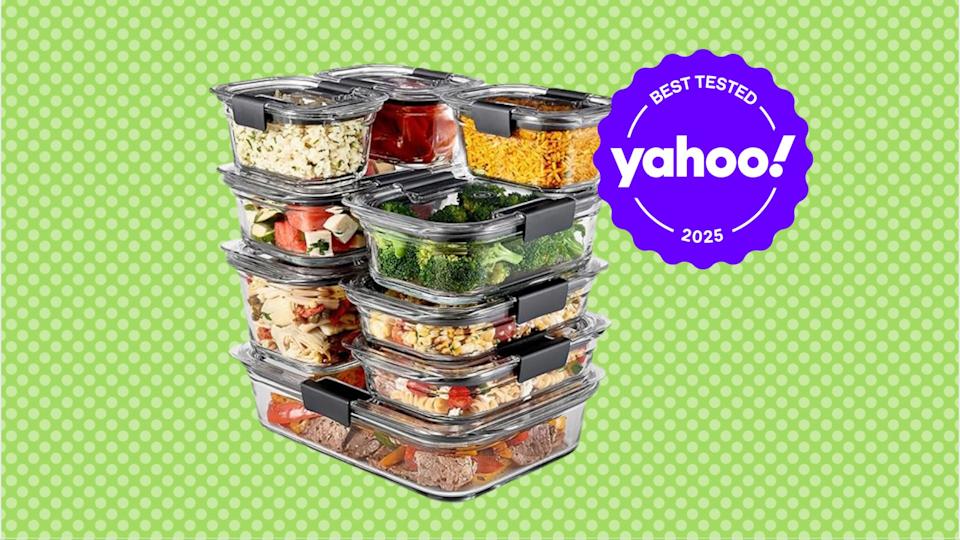
Why Food Storage Containers with Lids Are a Kitchen Essential
It’s easy to overlook the profound impact that a good set of food storage containers with lids can have on your daily life. Beyond simply holding food, they unlock a cascade of benefits. Imagine effortless meal prep, where your weekday lunches are packed and ready to go, saving you precious morning minutes. Picture a refrigerator where every item has its designated, neatly stacked spot, making ingredients easy to find and nothing gets lost in the back. These containers actively reduce food waste by keeping leftovers and fresh produce at their prime, translating directly into savings on your grocery bill. They also play a crucial role in preventing cross-contamination, ensuring that raw ingredients don’t compromise cooked dishes, a cornerstone of food safety.
Understanding Your Options: Common Materials for Food Storage Containers
Choosing the right container often comes down to understanding the materials available and how they align with your lifestyle. Each material brings its own set of advantages and considerations.
Glass Food Storage Containers with Lids
Glass containers are a popular choice for their durability, non-porous nature, and aesthetic appeal. They don’t absorb odors or stains, making them perfect for strong-smelling foods like curries or tomato-based sauces.
Why choose glass? Glass is oven-safe (without the lid!), microwave-safe, freezer-safe, and dishwasher-safe, offering incredible versatility. It’s also a more environmentally friendly option, being infinitely recyclable. Many people appreciate that glass doesn’t leach chemicals into food, even when heated.
Considerations: They can be heavier and are prone to breaking if dropped.
Plastic Food Storage Containers with Lids
Plastic containers are lightweight, affordable, and highly resistant to breaking, making them excellent for packed lunches or busy households. Modern plastic food storage containers with lids are often BPA-free, addressing health concerns.
Why choose plastic? Their light weight and durability make them ideal for portability. They often come in a vast array of shapes and sizes, and many are designed for efficient stacking.
Considerations: Quality varies widely. Lower-quality plastics can stain, retain odors, and may not be as durable. Always look for BPA-free labels and check if they are microwave and dishwasher safe.
Stainless Steel Food Storage Containers with Lids
These containers are renowned for their strength, longevity, and sleek appearance. They are lightweight yet incredibly robust, making them a fantastic alternative to plastic, especially for packed meals.
Why choose stainless steel? They are virtually indestructible, don’t leach chemicals, and are excellent for keeping food cold for longer, especially when insulated. They are also easy to clean and resist odors and stains.
Considerations: Stainless steel is not microwave-safe and you can’t see the contents without opening the lid.
Silicone Food Storage Containers with Lids
Silicone offers a unique blend of flexibility and durability. Often collapsible, they are fantastic for saving space when not in use.
Why choose silicone? Their flexibility makes them easy to store. They are typically microwave, oven, freezer, and dishwasher safe, and don’t leach chemicals.
Considerations: Some silicone might retain odors, and they can be more expensive than plastic.
How to Choose the Right Food Storage Containers with Lids
With so many options, how do you pick the perfect food storage containers with lids for your needs? It’s all about matching the container to its purpose.
What Makes a Good Airtight Lid?
An airtight lid is crucial for food preservation. It prevents air and moisture from entering or escaping, which slows down spoilage and keeps food fresh. Look for lids with silicone gaskets or robust clip-lock mechanisms that create a tight seal. A good test is to fill the container with water, seal it, and turn it upside down – no drips means a great seal!
What to Consider When Selecting Your Containers:
- Purpose: Are they for meal prepping, storing leftovers, pantry organization, or packing lunches?
- Capacity: Do you need small containers for snacks or large ones for family-sized meals?
- Features: Do you require microwave, freezer, or oven-safe properties? Look for containers labeled accordingly.
- Stackability: Opt for containers designed to stack neatly, both when full and empty, to maximize space.
- Ease of Cleaning: Dishwasher-safe containers are a huge time-saver. Consider materials that resist stains and odors.
“The true value of a food storage container isn’t just in its ability to hold food, but in its engineering to preserve freshness and simplify daily life,” advises Dr. Lena Sharma, a renowned food safety specialist. “Investing in high-quality containers with reliable lids is an investment in your health and your kitchen’s efficiency.”
Optimal Food Preservation Tips with Your Containers
Even the best food storage containers with lids need a little help to work their magic. Here are some pro tips for maximizing food freshness:
- Cool It Down First: Always allow hot food to cool completely before placing it into a container and sealing it. Sealing hot food can create condensation, leading to moisture buildup that promotes bacterial growth.
- Don’t Overpack: Leave a little space at the top of the container. This allows for proper air circulation and prevents food from being squished, which can affect its texture and lifespan.
- Label and Date: This simple step is a game-changer. Use labels to note the contents and the date it was stored. This helps you keep track of freshness and reduces mystery food encounters.
- Portion Control: Store food in appropriate portion sizes. This minimizes the need to repeatedly open and expose larger quantities of food to air, further extending its freshness.
The Health and Safety Benefits of Quality Food Storage
Using appropriate food storage containers with lids isn’t just about convenience; it’s a critical component of food safety and healthy living.
- Preventing Bacterial Growth: Airtight seals significantly reduce the exposure of food to airborne bacteria and oxygen, both of which accelerate spoilage. This is particularly important for perishable items.
- Avoiding Cross-Contamination: Dedicated containers for different food types prevent the transfer of harmful bacteria from raw foods (like meat or poultry) to cooked foods or fresh produce. This is a cornerstone of safe food handling.
- Reducing Chemical Exposure: By choosing high-quality, BPA-free plastic, glass, or stainless steel containers, you minimize the risk of unwanted chemicals leaching into your food, especially when heating.
Maximizing Kitchen Space and Utility with Food Storage Containers
A well-organized kitchen feels like a breath of fresh air. Food storage containers with lids are key players in creating this harmony.
- Stack and Conquer: Look for containers with modular designs that stack neatly in your refrigerator, freezer, and pantry. This vertical organization saves valuable real estate.
- Uniformity is Key: While a mix of materials is fine, having a consistent brand or style can lead to more efficient stacking and less wasted space.
- Clear Vision: Transparent containers, particularly glass or clear plastic, allow you to quickly identify contents without opening every lid, saving time and preventing food from being forgotten.
- Pantry Power: Don’t limit containers to the fridge! Use them for dry goods like pasta, rice, cereals, and baking ingredients in your pantry. This keeps pests out and preserves freshness.
Frequently Asked Questions About Food Storage Containers with Lids
What makes a good airtight lid for food storage?
A good airtight lid typically features a silicone or rubber gasket around the rim and a secure locking mechanism, such as snap-on clips or a vacuum seal system. These elements work together to create a tight barrier against air and moisture, crucial for preserving food freshness.
Are plastic food storage containers truly safe to use?
Modern plastic food storage containers with lids are generally safe, especially those labeled BPA-free and designated as food-grade. It’s important to avoid heating food in plastic containers that are not explicitly labeled as microwave-safe, as this can increase the risk of chemical leaching.
How do I get rid of stains and smells from my containers?
For plastic containers, a paste made of baking soda and water can often remove stains and absorb odors. For stubborn smells, try soaking the container with a mixture of vinegar and water. Sunlight can also be surprisingly effective for plastic.
Can I put hot food directly into food storage containers?
It’s best practice to allow hot food to cool down to room temperature before placing it into food storage containers with lids. Sealing hot food traps steam, which can lead to condensation and create an environment ripe for bacterial growth, accelerating spoilage.
What are the benefits of glass food storage containers with lids?
Glass containers are non-porous, meaning they won’t absorb food odors or stains. They are also highly versatile, being safe for the oven (without the lid), microwave, freezer, and dishwasher. Plus, they don’t leach chemicals into your food, offering a pure and healthy storage option.
How often should I replace my food storage containers?
The lifespan of your food storage containers with lids depends heavily on the material and how well they are cared for. Glass and stainless steel can last for many years, even decades. Plastic containers, however, may need replacing every few years, especially if they show signs of warping, deep scratches, staining, or if the lids no longer seal properly.
Elevate Your Kitchen with Smart Storage
From preserving the crispness of your garden vegetables to extending the life of your meticulously prepared meals, food storage containers with lids are indispensable tools in any modern kitchen. They are more than just practical; they are an investment in healthier eating, reduced waste, and a more organized, enjoyable cooking experience. By understanding the different materials, making informed choices, and adopting smart storage practices, you can transform your relationship with food and your kitchen. So, take a moment to assess your storage needs, upgrade your container game, and embrace the fresh, organized future that awaits.