Ever open your pantry and feel a wave of chaos wash over you? You’re not alone. We all dream of a perfectly organized pantry, a space where every ingredient is easy to find, fresh, and ready for action. The secret weapon in this culinary battle? High-quality Food Storage Containers For Pantry organization. These aren’t just bins; they’re game-changers that protect your food, streamline your cooking, and transform your kitchen into a haven of efficiency.
At its heart, a well-stocked and organized pantry isn’t just about aesthetics; it’s about practicality, food safety, and even saving money. Imagine a world where stale cereal is a distant memory and finding that specific spice doesn’t involve a frantic treasure hunt. That’s the power of effective pantry food storage containers. They’ve evolved far beyond simple boxes, becoming sophisticated tools designed to keep your dry goods, snacks, and baking essentials in peak condition, extending their shelf life and preserving their flavor.
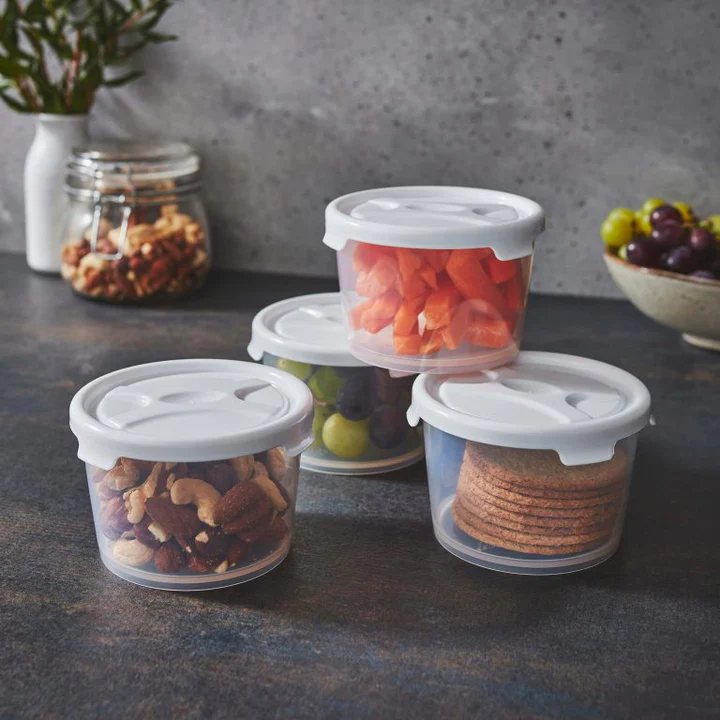
The Essential Role of Pantry Food Storage Containers
For centuries, humans have sought ways to preserve food, from ancient granaries to modern refrigeration. Today, the pantry remains a cornerstone of home food management, and food storage containers for pantry use are its unsung heroes. They act as barriers against moisture, air, and pests – the three biggest threats to your dry goods. Think about it: that open bag of flour is an invitation for pantry moths, and those crackers in their original box will go stale faster than you can say “snack time.”
Modern pantry containers do more than just hold food; they create an environment optimized for preservation. By minimizing exposure to oxygen, they significantly slow down the oxidation process that causes food to spoil or lose its potency. This not only keeps your food fresher for longer but also reduces food waste, which is a win for your wallet and the planet. Plus, a well-organized pantry encourages you to use what you have, making meal planning a breeze and those last-minute grocery runs a thing of the past.
Decoding Food Storage Container Materials: What’s Right for Your Pantry?
When it comes to food storage containers for pantry organization, the material matters as much as the design. Each type offers unique benefits and considerations, shaping how you store and access your ingredients.
Plastic Containers: Versatile and Practical
Plastic containers, especially those made from hard, BPA-free plastic, are incredibly popular for pantry use. They are lightweight, durable, and often more affordable than other options. Many plastic sets are designed to be stackable and come in clear finishes, allowing for easy identification of contents. Brands like Rubbermaid and OXO are well-regarded for their airtight plastic containers that can keep dry goods fresh and pests out. They are excellent for everyday staples like pasta, rice, flour, and sugar. However, some plastic containers can retain odors or stains over time, and softer plastics may not be as durable.
Glass Containers: Elegant and Non-Reactive
Glass containers offer a premium feel and superior food safety. They are non-reactive, meaning they won’t absorb food odors, stains, or leach chemicals into your food, making them ideal for everything from spices to baking ingredients. Glass is also incredibly durable and oven, microwave, and dishwasher safe, offering great versatility. Clear glass allows for perfect visibility, adding a touch of elegance to your pantry shelves. Brands like Pyrex and Glasslock are favorites. The main drawbacks are their weight and fragility; a dropped glass container is likely to break.
Silicone Containers: Flexible and Eco-Friendly
While less common for bulk pantry staples, silicone containers and bags (like Stasher) are gaining traction for smaller items or specialty ingredients. They are flexible, durable, and non-toxic, making them a sustainable alternative to single-use plastic bags. They are often freezer, microwave, and dishwasher safe, but their opaque nature might require extra labeling for pantry items.
Other Materials: Stainless Steel and Ceramic
For a touch of sophistication or specific needs, stainless steel and ceramic containers can also find a place in your pantry. Stainless steel is incredibly durable, rust-resistant, and opaque, protecting light-sensitive ingredients. Ceramic canisters are beautiful and often used for countertop display or storing coffee, tea, and sugar. Both are excellent at keeping contents cool and dry, though they lack visibility.
Smart Choices: Your Guide to Selecting the Best Pantry Containers
Choosing the right food storage containers for pantry organization involves a bit more than just picking what looks good. It’s about functionality, fit, and future-proofing your pantry.
- Airtight Seals are Non-Negotiable: For dry goods, an airtight seal is paramount. It’s what keeps moisture out, pests away, and freshness in. Look for containers with strong latching mechanisms or silicone gaskets that create a reliable seal.
- Stackability and Shape: Maximize your pantry’s vertical space with stackable containers. Square or rectangular shapes are often more space-efficient than round ones, fitting snugly against each other without wasted gaps.
- Transparency for Visibility: Clear containers, whether plastic or glass, are a godsend. Being able to see what’s inside at a glance saves time and prevents you from buying duplicates.
- Variety in Sizes: Your pantry holds a diverse range of items, from a large bag of flour to a small packet of herbs. Invest in sets that offer a variety of sizes to accommodate everything efficiently.
- Ease of Cleaning: Life is busy enough. Opt for containers that are easy to clean, preferably dishwasher-safe, to maintain hygiene without added hassle.
Elevating Your Pantry Game: Optimal Food Preservation Techniques
Having the best food storage containers for pantry is only half the battle; knowing how to use them effectively is the other. Here are some pro tips for optimal food preservation:
- Label Everything: Seriously, everything. Even if you think you’ll remember, you won’t. Use labels with the item name and the purchase or expiration date. This ensures you use older items first (First-In, First-Out, or FIFO).
- Group Like Items: Keep all your baking supplies together, all your grains in one section, and snacks in another. This organization makes finding ingredients quick and putting them away simple.
- Don’t Overfill: While it’s tempting to cram as much as possible, leaving a little headspace in your containers can help maintain freshness and makes it easier to open and close lids properly.
- Store Away from Heat and Light: Even in sealed containers, prolonged exposure to heat and direct sunlight can degrade food quality. Store your pantry items in a cool, dark place.
Beyond Organization: Health and Safety Benefits of Proper Food Storage
The benefits of using good food storage containers for pantry organization extend far beyond a tidy appearance. They are crucial for maintaining food safety and promoting overall health.
By creating an airtight barrier, these containers prevent common pantry pests like weevils, ants, and moths from contaminating your food. This is a massive relief for anyone who’s ever had to discard an entire bag of flour due to infestation. Furthermore, proper sealing protects food from moisture and airborne contaminants, significantly reducing the risk of mold and bacterial growth, which are major causes of foodborne illness. Keeping ingredients in their designated, clean containers also helps prevent cross-contamination, ensuring your food stays pure and safe for consumption.
Beyond safety, storing food correctly in quality containers helps preserve its nutritional value and flavor. Exposure to air, light, and humidity can degrade vitamins and minerals, and diminish the taste of your ingredients. Airtight containers lock in freshness, allowing you to enjoy your food at its peak quality for longer.
Maximizing Space and Efficiency with Clever Pantry Container Solutions
A well-organized pantry can feel like a luxurious extension of your kitchen, regardless of its actual size. Strategic use of food storage containers for pantry organization is key to unlocking this potential.
- Modular Systems: Many container brands offer modular systems where different sizes stack and fit together seamlessly. This creates a uniform look and maximizes every inch of shelf space.
- Vertical Storage: Don’t forget vertical space! Taller containers are perfect for spaghetti or cereal, while stackable bins can create tiers for snacks or smaller packages.
- Clear Bins and Dividers: For items that don’t fit into airtight containers (like pouches or oddly shaped packages), clear bins can keep them contained and visible. Dividers within larger bins can further segment contents, keeping everything in its place.
- Lazy Susans and Pull-Out Bins: For deeper pantries, lazy susans (turntables) and pull-out bins can make accessing items in the back effortless, preventing forgotten foods.
Expert Insight: Isabella Rodriguez on Modern Pantry Storage
“Modern life demands efficiency, and our pantries are no exception,” says Isabella Rodriguez, a renowned culinary consultant specializing in kitchen organization. “Investing in high-quality food storage containers for pantry use is one of the smartest decisions you can make for your kitchen. It’s not just about tidiness; it’s about respecting your ingredients, reducing waste, and making the act of cooking more joyful and less stressful. Think of your containers as an extension of your culinary tools – each one playing a vital role in the ecosystem of your kitchen.”
Frequently Asked Questions
How do I choose the right size food storage containers for my pantry?
Consider the typical quantities of staples you buy. For bulk items like flour or sugar, larger containers (5-10 quarts) are ideal. Smaller containers are perfect for spices, nuts, or dried fruits. A varied set often provides the best flexibility.
What are the benefits of airtight food storage containers for pantry staples?
Airtight seals protect food from moisture, air, and pests, significantly extending freshness, preventing spoilage, and maintaining flavor. This is crucial for dry goods like grains, pasta, and cereals.
Can I really improve food freshness with proper pantry storage?
Absolutely! Proper pantry storage in airtight containers can dramatically improve food freshness. By controlling exposure to air and humidity, you slow down degradation processes, keeping ingredients like coffee beans, crackers, and spices at their peak longer.
Are plastic pantry containers safe for all types of food?
Most modern plastic pantry containers are made from BPA-free materials and are safe for dry food storage. However, for highly acidic or oily foods, or if you prefer a non-reactive option, glass containers are often recommended.
How often should I clean my food storage containers for pantry use?
It’s best practice to wash your food storage containers for pantry use thoroughly with soap and water (or in the dishwasher if safe) each time you empty them before refilling. This prevents residue buildup and maintains hygiene.
The Pantry Revolution Starts Now
Ultimately, embracing effective food storage containers for pantry organization is about more than just decluttering. It’s about creating a more efficient, hygienic, and enjoyable cooking environment. By making informed choices about materials and designs, and adopting smart storage practices, you can transform your pantry from a source of stress into a source of inspiration. It’s a small change that yields big results, keeping your food fresh, your kitchen orderly, and your culinary adventures seamless. So, go ahead, give your pantry the upgrade it deserves and unlock a world of culinary possibilities.