Ever open your pantry door, hoping to find that bag of flour, only to discover it’s been taken over by uninvited guests or has gone a bit… stale? You’re not alone. In the symphony of a busy kitchen, Dry Food Storage Containers are the unsung heroes, silently working to preserve our pantry staples and keep our culinary dreams alive. More than just pretty vessels, these containers are crucial for maintaining freshness, fending off pests, and transforming a chaotic cupboard into a haven of organization.
The way we store our food directly impacts its longevity, flavor, and safety. Dry ingredients, in particular, are susceptible to moisture, air, and external contaminants that can quickly ruin them. That’s where high-quality dry food storage containers come into play, creating a protective barrier that keeps everything perfectly preserved.
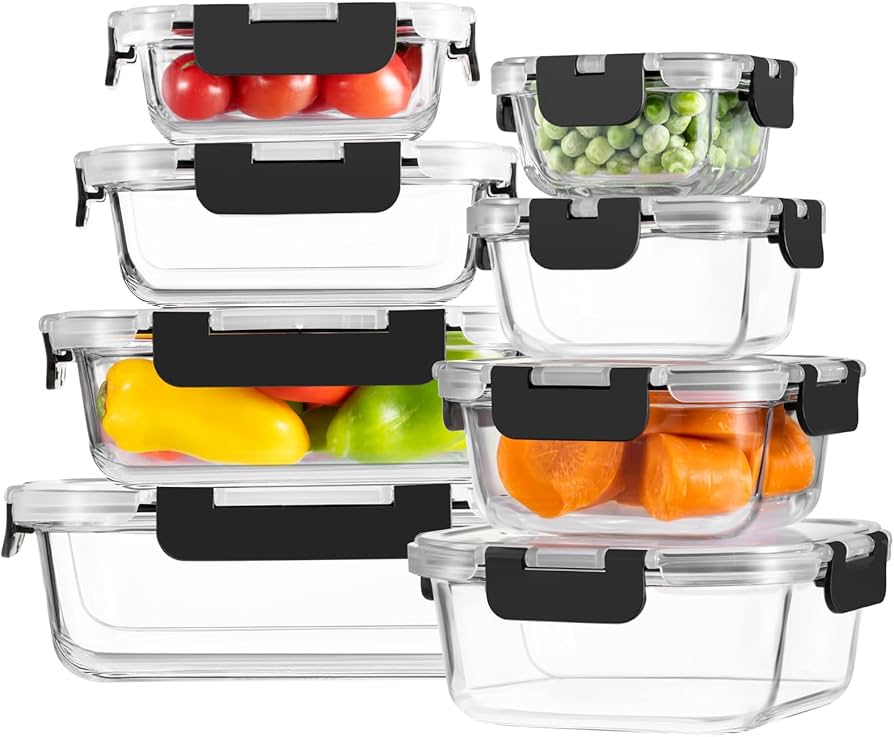
The Unsung Heroes of Your Pantry: Why Dry Food Storage Containers Matter
Think about it: from your morning oats to that late-night snack of crackers, dry foods are a cornerstone of our daily diets. But without proper storage, these items can lose their crunch, absorb off-flavors, or worse, become a breeding ground for pantry pests. Dry food storage containers are essential for several compelling reasons, acting as guardians of your grains, legumes, spices, and more.
Firstly, they dramatically extend the shelf life of your ingredients. An airtight seal is like a time capsule, locking out oxygen and moisture, the two primary culprits behind spoilage and staleness. This means your pasta stays firm, your coffee beans retain their aroma, and your spices keep their potent flavor much longer than if left in their original flimsy packaging. Secondly, these containers are your first line of defense against pantry invaders. We’ve all battled those tiny moths or unseen critters; a secure container ensures your food remains theirs alone. Finally, they bring order to the chaos. Imagine a pantry where every ingredient has its designated, clearly visible spot. It’s not just about aesthetics; it’s about efficiency, saving you time and money by preventing duplicate purchases and forgotten items.
Decoding Materials: Choosing the Right Container for Your Dry Goods
Selecting the perfect dry food storage containers isn’t a one-size-fits-all endeavor. The material plays a significant role in performance, safety, and durability. Let’s explore the most popular options, each with its unique advantages.
Glass Dry Food Storage Containers
Glass is a timeless choice, and for good reason. Its non-reactive nature means it won’t leach chemicals into your food, nor will it absorb odors or stains. This makes it ideal for everything from aromatic spices to colorful dried fruits. Transparency is another major plus; you can see exactly what you have at a glance, eliminating the need for constant rummaging. Glass containers are also incredibly easy to clean and maintain their pristine look over time. However, they come with a couple of drawbacks: they are heavier than other options and, of course, can break if dropped. As Dr. Eleanor Vance, a food safety expert, often advises, “When it comes to long-term storage and preventing chemical interactions, glass offers unparalleled peace of mind.”
Plastic Dry Food Storage Containers
Plastic containers are a popular staple in many homes, primarily due to their affordability, lightweight nature, and durability. They’re less prone to shattering than glass, making them a practical choice for busy households or for transporting goods. However, not all plastics are created equal. It’s crucial to opt for BPA-free and food-grade plastic dry food storage containers to avoid potential chemical leaching, especially when storing oily or fatty dry goods, or when exposed to fluctuating temperatures. Modern plastics have come a long way, with many reputable brands offering safe, robust, and often stackable designs. While some plastics can absorb odors or stain over time, they remain a versatile and cost-effective option for many dry pantry items.
Stainless Steel Dry Food Storage Containers
For those who prioritize ultimate durability and a sleek, modern aesthetic, stainless steel is an excellent contender. These containers are virtually indestructible, resistant to rust and corrosion, and incredibly hygienic thanks to their non-porous surface. Like glass, stainless steel is non-reactive, ensuring your food’s flavor and integrity are preserved without any chemical interaction. They are also an eco-friendly choice, being 100% recyclable and built to last a lifetime. The main trade-off is their opacity, meaning you can’t visually check contents without opening them, and they are not microwave-safe. Yet, for items like coffee, grains, or beans where light exposure is a concern, stainless steel provides superior protection.
Ceramic Dry Food Storage Containers
Ceramic containers offer a beautiful, artisanal touch to your pantry. They are non-reactive and excellent at maintaining stable temperatures, making them suitable for certain dry goods like baked goods or specialized flours. Their aesthetic appeal often means they can double as serving dishes. However, like glass, they are susceptible to breakage and can be quite heavy. For smaller, frequently used dry items on your counter, ceramic can be a charming and functional choice.
Key Features to Look For in Dry Food Storage Containers
When you’re ready to upgrade your pantry, keep these essential features in mind to make the best choice for your needs:
- Airtight Seal: This is non-negotiable for dry goods. A strong, reliable seal prevents moisture and air from entering, which stops staleness, clumping, and pest infestations. Look for silicone or rubber gaskets that create a tight barrier.
- Durability: Invest in containers that can withstand daily use. High-quality materials like borosilicate glass, thick BPA-free plastic, or sturdy stainless steel will serve you well for years to come.
- Transparency (for specific items): While not essential for all materials, clear containers (glass or certain plastics) allow for quick identification of contents and monitoring of supply levels.
- Stackability & Space-Saving Design: A well-organized pantry is a joy to behold. Choose containers with modular designs that stack neatly, maximizing vertical space and creating a tidy, efficient storage system.
- Ease of Cleaning: Life is busy enough! Look for containers that are easy to wash, preferably dishwasher-safe, to simplify maintenance and ensure hygiene.
- Food-Grade & BPA-Free: Always prioritize health and safety. Ensure any plastic container is certified food-grade and explicitly states it is BPA-free to prevent harmful chemicals from leaching into your food.
Mastering Your Pantry: Tips for Optimal Dry Food Storage
Having the right dry food storage containers is just the first step. Implementing smart storage practices will truly transform your pantry.
- Label Everything (and Date It!): This seems obvious, but it’s often overlooked. Clearly label each container with its contents and, crucially, the purchase or expiration date. This prevents confusion and ensures you use older items first.
- First-In, First-Out (FIFO): Practice FIFO. When you buy new dry goods, place them behind older stock in your containers. This simple method guarantees you’re always using the freshest ingredients and minimizes waste.
- Cool, Dark, and Dry: Store your containers in a cool, dark, and dry place. Heat, light, and humidity are the enemies of dry goods, accelerating spoilage. Avoid areas near ovens, dishwashers, or direct sunlight.
- Transfer from Original Packaging: While original bags might seem convenient, they often offer little protection. Always transfer dry goods like flour, sugar, pasta, and cereals into your airtight containers as soon as you bring them home. This creates an immediate barrier against moisture and pests.
- Dealing with Bulk Purchases: Buying in bulk can save money, but it requires smart storage. Use large, airtight dry food storage containers for your main supply, and smaller, more accessible ones for daily use.
Beyond Freshness: Health and Environmental Benefits
Choosing appropriate dry food storage containers extends beyond just keeping food fresh; it significantly impacts your health and the environment.
By preventing spoilage and pest contamination, these containers help reduce food waste, a major global issue. Less waste means fewer resources are consumed in production and disposal. Furthermore, opting for safe, food-grade materials like glass, stainless steel, or certified BPA-free plastics ensures that no harmful chemicals leach into your food, safeguarding your family’s health. “Making informed choices about your food storage is a direct investment in your long-term well-being and a commitment to a healthier planet,” notes environmental advocate, Sarah Jenkins. Reusable containers also reduce reliance on single-use plastic packaging, contributing to a more sustainable lifestyle.
Revamp Your Kitchen: Organization and Style with Dry Food Containers
An organized pantry isn’t just about functionality; it’s a testament to a well-managed home and a source of quiet satisfaction. Uniform dry food storage containers instantly create a cohesive and tidy look, elevating your kitchen’s aesthetic.
Beyond visual appeal, smart container choices can revolutionize your space. Utilize stackable designs to maximize vertical storage in cabinets and on shelves. Clear containers allow for instant inventory checks, making meal planning and grocery shopping more efficient. Group similar items together – all your baking ingredients, all your pasta, all your snacks – in matching containers for an intuitive and inviting system. A well-designed pantry, complete with excellent dry food storage solutions, truly makes cooking and living a more enjoyable experience.
Frequently Asked Questions About Dry Food Storage Containers
Are plastic dry food containers truly safe for long-term storage?
Yes, many plastic dry food containers are safe, especially those labeled BPA-free and made from food-grade materials. Always check for these designations to ensure you’re using products that won’t leach harmful chemicals into your food.
How do airtight containers prevent food from going stale?
Airtight containers create a sealed environment that prevents oxygen and moisture from reaching your dry goods. Oxygen can cause oxidation, leading to staleness and flavor degradation, while moisture can lead to clumping and mold growth. The seal acts as a protective barrier.
What is the best material for very long-term dry food storage, like emergency rations?
For very long-term dry food storage, beyond typical pantry use, materials like #10 cans or Mylar bags with oxygen absorbers are often recommended. For everyday long-term pantry staples, high-quality glass or stainless steel with excellent airtight seals are top choices.
Can I store all dry foods in the same type of container?
While many dry foods can share similar containers, some items benefit from specific features. For instance, coffee might do best in an opaque, airtight container (like stainless steel) to prevent light degradation, while flour can be stored effectively in clear, stackable plastic or glass. Always prioritize an airtight seal.
How do I properly clean my dry food storage containers?
Most dry food storage containers made of glass, plastic, or stainless steel are dishwasher-safe, but always check the manufacturer’s instructions. For hand washing, use warm, soapy water and ensure they are thoroughly dried before refilling to prevent moisture from compromising new contents. For stubborn odors, a baking soda soak can work wonders.
Conclusion
From extending shelf life to fighting off pantry pests and creating a beautifully organized kitchen, dry food storage containers are undeniably essential for any home cook. By understanding the best materials, key features, and optimal storage practices, you empower yourself to make smarter choices for your food, your health, and your environment. It’s time to move beyond flimsy packaging and embrace durable, airtight solutions that will keep your pantry staples fresh, safe, and ready for your next culinary adventure. Upgrade your storage today and experience the tangible benefits of a well-preserved pantry!