We’ve all been there: staring into a cluttered fridge, a mountain of mismatched containers overflowing from the cabinet, or worse, finding last night’s delicious leftovers mysteriously… not so delicious anymore. The endless quest for organized, fresh food can feel like a losing battle. But what if the solution to a more streamlined kitchen and healthier eating habits was simpler than you thought? Enter the world of the Best Plastic Food Storage Containers – your unsung heroes in the fight against food waste and kitchen chaos. These humble yet mighty tools are designed to keep your meals fresh, your pantry neat, and your life a little less stressful, truly elevating your food preservation experience and contributing to a healthier lifestyle.
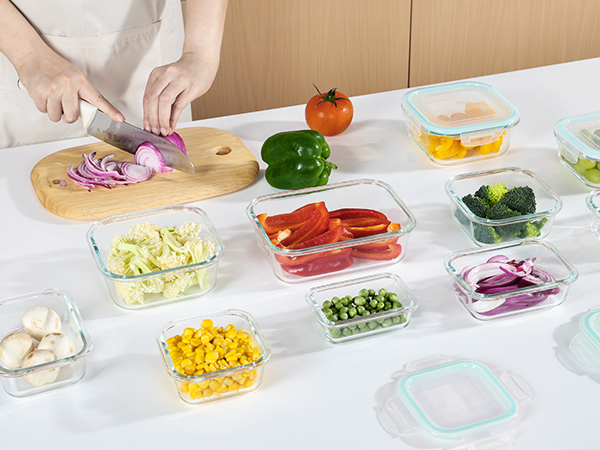
Why Plastic Reigns Supreme for Many Kitchens
The concept of preserving food is as old as civilization itself, evolving from ancient curing and smoking to modern refrigeration. Today, food storage containers are indispensable. They’re not just about saving leftovers; they’re about thoughtful meal planning, reducing waste, and maintaining peak freshness. While glass has its merits, plastic often emerges as the champion for its unique advantages that cater to our fast-paced lives.
One of the most compelling reasons plastic containers are a kitchen staple is their sheer practicality. They are wonderfully lightweight, making them perfect for meal prepping lunches to take to work or packing snacks for a family outing. Unlike their glass counterparts, plastic containers are far less prone to shattering if accidentally dropped, a huge plus for households with enthusiastic cooks or clumsy hands. This durability means they can withstand the rigors of daily use, from the bustling kitchen counter to the depths of a packed backpack. Furthermore, plastic’s versatility shines in its compatibility with microwaves and freezers, offering a seamless transition from freezer to microwave to table with minimal fuss.
Navigating the World of Plastic: Materials and Their Perks
Not all plastics are created equal, and understanding the different materials can help you choose the best plastic food storage containers for your specific needs. Each type brings its own set of characteristics to the table, impacting everything from durability to temperature resistance.
Common Plastic Materials and Their Properties
- Polypropylene (PP): This is perhaps the most common material you’ll encounter for plastic food containers. PP is renowned for its excellent heat resistance, making it safely microwave, dishwasher, and freezer friendly. It’s a robust plastic that can handle various temperatures without deforming, and it’s frequently certified as BPA-free, which is a major win for health-conscious consumers.
- Tritan: If you appreciate the clarity of glass but prefer the resilience of plastic, Tritan is your go-to. This advanced plastic is exceptionally durable, boasts crystal-clear transparency, and is shatter-resistant. It stands up well to repeated washings and rigorous use, maintaining its pristine appearance over time. Crucially, Tritan is also completely BPA-free, offering peace of mind.
- Low-Density Polyethylene (LDPE) and High-Density Polyethylene (HDPE): These plastics are typically used for lids due to their flexibility and excellent sealing properties. While fantastic for creating an airtight seal, they are generally best suited for cold storage and are not always recommended for microwaving or high-heat dishwashing, though exceptions exist.
The BPA-Free Factor: Safety First
When it comes to plastic food storage, the term “BPA-free” isn’t just a marketing buzzword; it’s a critical health consideration. BPA, or Bisphenol A, is an industrial chemical that has been used to make certain plastics and resins since the 1950s. Concerns have arisen about the potential health effects of BPA on the brain, behavior, and prostate gland of fetuses, infants, and children, as well as a possible link to increased blood pressure, type 2 diabetes, and cardiovascular disease in adults.
Choosing containers explicitly labeled as BPA-free ensures that you’re minimizing your exposure to this chemical. It signifies that manufacturers have opted for alternative, safer materials in the production of their plastic wares. Always look for this crucial label when selecting your best plastic food storage containers to safeguard your health and that of your family.
Your Guide to Choosing the Best Plastic Food Storage Containers
Finding the perfect plastic food storage containers is about more than just picking a pretty set. It involves understanding what makes a container truly effective and safe for your family. Here’s a breakdown of the essential features to prioritize.
Key Features to Look For
- Airtight and Leak-Proof Seals: This is non-negotiable. A truly airtight seal keeps air out, dramatically extending the freshness of your food and preventing spoilage. A leak-proof design means no unexpected spills in your lunch bag or fridge, saving you from messy cleanups. Look for lids with silicone gaskets or strong locking mechanisms.
- Durability and Longevity: The last thing you want is a container that cracks after a few uses or a single fall. Invest in containers made from thick, sturdy plastic that can withstand daily wear and tear, including accidental drops and temperature changes. Some brands use reinforced corners or impact-resistant materials.
- Microwave, Freezer, and Dishwasher Safe: For ultimate convenience, your containers should be able to handle all three. This allows you to seamlessly store, reheat, and clean your food containers without hassle. Always check the manufacturer’s instructions, as some lids might require hand washing to preserve their seal.
- Stackability and Organization: A well-designed set of containers should be stackable, both when full and when empty, to maximize space in your fridge, freezer, and pantry. Look for modular designs where different sizes nest neatly or use the same lid, simplifying storage and making it easy to find the right match.
- Stain and Odor Resistance: No one likes a container permanently stained orange from tomato sauce or retaining the lingering smell of last night’s garlic stir-fry. High-quality plastics and effective seals can significantly reduce these common issues, ensuring your containers look and smell fresh use after use.
- Ease of Cleaning: Smooth interior surfaces and lids that come apart for thorough cleaning are ideal. Containers that are dishwasher safe (especially on the top rack) save valuable time and effort.
Top Contenders in the Plastic Arena
Several brands consistently rise to the top for their quality and performance, offering some of the best plastic food storage containers on the market:
- Rubbermaid Brilliance: Often hailed for their exceptional airtight and leak-proof seals, these containers are crystal clear, making it easy to identify contents. They are highly resistant to stains and odors and stack beautifully.
- OXO Good Grips: Known for their innovative designs, OXO offers popular POP containers for dry goods with unique push-button seals, and Smart Seal containers for wet foods that boast excellent leak protection.
- Snapware Total Solution: This brand provides versatile sets with a range of sizes, featuring four-latch locking lids that offer reliable sealing for various food items.
- Yeti Dash and Dine: These containers are celebrated for their incredible durability and impressive seals, often incorporating recycled plastic, appealing to the environmentally conscious.
- Bentgo: Frequently noted for their excellent value and practical designs, Bentgo containers are a popular choice for meal prep due to their compartments and robust construction.
Maximizing Freshness: Tips for Optimal Food Storage with Plastic Containers
Even the best plastic food storage containers need a little help to perform at their peak. Implementing these simple tips will ensure your food stays fresher, longer, and your containers remain in excellent condition.
- Proper Filling and Sealing Techniques: Avoid overfilling your containers. Leave a little headspace, especially if freezing liquids, as they expand. When sealing, ensure the lid is properly aligned and all latches or clips are securely fastened to create that crucial airtight barrier.
- Temperature Considerations: Always allow hot food to cool down to room temperature before placing it in plastic containers and refrigerating or freezing. Putting hot food directly into the fridge can raise the overall temperature, potentially compromising the safety of other foods. For freezing, ensure your containers are freezer-safe to prevent cracking.
- Organization Hacks: Labels are your best friend! Use masking tape and a marker or invest in reusable labels to clearly mark the contents and date of storage. This prevents the “mystery meal” phenomenon. Utilize modular stacking designs to create an organized system in your pantry and fridge, making it easier to see and access your food.
- Cleaning and Maintenance: To prevent stubborn stains from highly pigmented foods like tomato sauce, rinse your containers immediately after use. For tougher stains, a paste of baking soda and water can often work wonders. While many are dishwasher safe, hand washing can extend the life of your containers and their seals, especially the lids.
Beyond Convenience: Health and Safety Benefits
The advantages of using the best plastic food storage containers extend far beyond mere convenience. They play a significant role in promoting healthier eating habits and ensuring food safety within your home.
One of the most impactful benefits is reducing food waste. By storing food properly in airtight containers, you significantly extend its shelf life, preventing premature spoilage. This not only saves money but also minimizes the amount of food that ends up in landfills, contributing to a more sustainable lifestyle.
For those focused on portion control and meal prep, these containers are invaluable. Preparing meals in advance and portioning them into individual containers makes healthy eating effortless. It helps you avoid unhealthy impulse choices and ensures you have nutritious options readily available, supporting your dietary goals.
Crucially, proper food storage is paramount for food safety. Airtight seals prevent the growth of bacteria by limiting exposure to air. Storing foods in separate, sealed containers also prevents cross-contamination between raw and cooked items or different food types, a fundamental aspect of kitchen hygiene.
Transforming Your Kitchen: Space Optimization and Utility
Think of your plastic food storage containers not just as practical items, but as tools for a complete kitchen transformation. They are key players in achieving an organized, efficient, and visually appealing space.
Decluttering your pantry and fridge becomes an achievable dream with a well-chosen set of uniform containers. Mismatched containers and lids that refuse to pair up are a source of constant frustration. Investing in a modular system where bases and lids stack neatly creates harmony and frees up valuable space, making everything easier to find and access. It’s like magic, turning chaos into order!
Their versatility in use also adds incredible utility. While primarily for food, the best plastic food storage containers can moonlight as organizational powerhouses for other areas of your home. Use them to tidy up craft supplies, store pet food, organize small toys, or even sort hardware. Their clear designs make it easy to see contents, and their durability ensures they can handle various non-food items with ease.
Expert Insights: A Sustainable Choice?
In today’s world, sustainability is on everyone’s mind, and rightly so. When considering the best plastic food storage containers, it’s natural to question their environmental impact.
“The narrative around plastic often focuses solely on single-use items,” notes Dr. Lena Petrov, a distinguished food science and sustainability expert. “However, high-quality, durable, and reusable plastic food storage containers play a vital role in a sustainable kitchen. They directly combat the need for disposable alternatives like plastic wraps or single-use bags, significantly reducing overall waste.”
Dr. Petrov emphasizes that the key lies in longevity and responsible use. By choosing containers made from robust, BPA-free plastics that are built to last, consumers reduce the frequency of needing replacements. Furthermore, many modern plastic containers are made from recyclable materials, and some even incorporate recycled content, marking a positive step towards a circular economy. When your plastic container finally reaches the end of its long, useful life, ensure it’s properly recycled according to local guidelines, contributing to a more responsible waste management system.
Frequently Asked Questions (FAQ)
Are plastic food containers really safe for microwaving?
Yes, many plastic food containers are designed to be microwave-safe. Look for labels like “microwave safe” or a microwave symbol (usually wavy lines). These plastics are formulated to withstand microwave heat without leaching harmful chemicals into your food. Always ensure lids are vented or slightly open when microwaving to allow steam to escape.
How can I remove stains from plastic food containers?
For stubborn stains, especially from tomato-based sauces, try making a paste of baking soda and a little water. Apply it to the stain, let it sit for several hours or overnight, then scrub and rinse. Sunlight can also work wonders – place the stained container outside on a sunny day.
How often should I replace my plastic food containers?
While durable, plastic containers don’t last forever. Replace them if they become cracked, scratched, warped, or if they retain persistent odors or stains even after cleaning. These signs can indicate that the plastic is breaking down, potentially compromising food safety and freshness.
What does “BPA-free” truly mean for food storage?
“BPA-free” means the product is made without Bisphenol A, a chemical historically used in some plastics. Choosing BPA-free plastic food storage containers helps you avoid potential health risks associated with BPA exposure. Most reputable brands today offer BPA-free options.
Can I use plastic containers for freezer storage without issues?
Absolutely! Many plastic containers are specifically designed to be freezer-safe. These plastics are flexible enough to withstand freezing temperatures without becoming brittle and cracking. Always leave some headspace when freezing liquids, as they expand.
Are all plastic food containers leak-proof?
No, not all plastic food containers are leak-proof. If leak-proofing is a priority, look for containers explicitly labeled as “leak-proof” or “airtight” with secure locking mechanisms or silicone gaskets in the lids. These features are crucial for preventing spills and maintaining food freshness.
What’s the best way to organize my plastic food container collection?
The best organization strategy is to invest in a modular set where containers of different sizes can stack or nest neatly, and ideally, one lid fits multiple bases. Store lids vertically in a designated drawer or organizer, and stack bases by size to save space and make finding what you need a breeze.
Elevate Your Kitchen with the Best Plastic Food Storage Containers
In a world that constantly demands efficiency and conscious choices, the best plastic food storage containers emerge as indispensable allies. They are more than just simple vessels; they are guardians of freshness, champions of organization, and silent contributors to your health and the planet’s well-being. By making informed choices, prioritizing safety, and adopting smart usage habits, you empower yourself to embrace a lifestyle that values convenience, sustainability, and delicious, wholesome food. So go ahead, find your perfect set, transform your kitchen, and share your fresh food journey with pride!