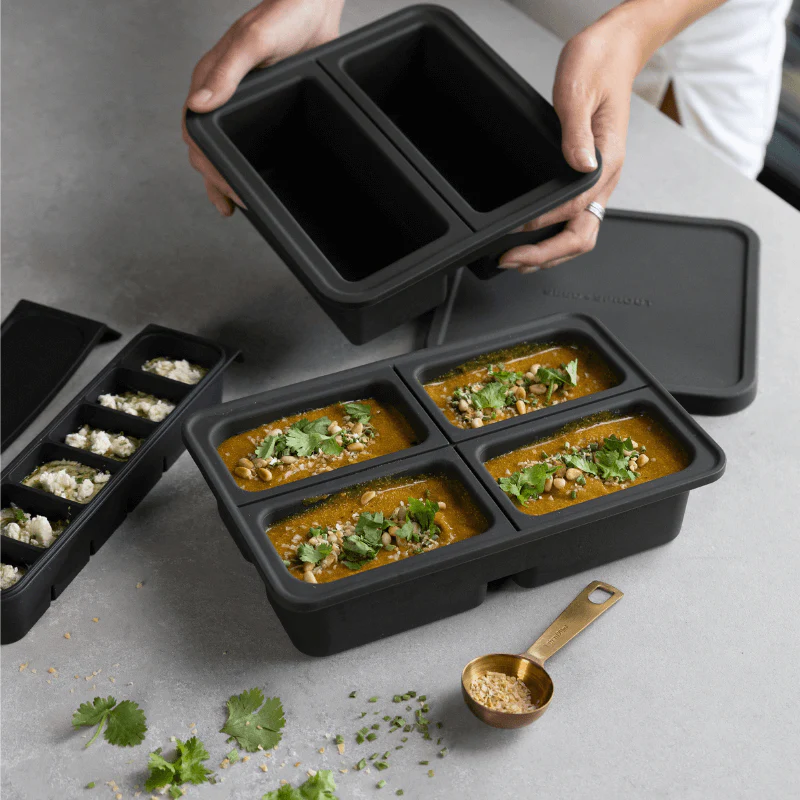
 Ever opened your refrigerator only to be greeted by a jumble of mismatched containers and forgotten leftovers? It’s a scene many of us know all too well. A well-organized fridge, however, doesn’t just look better; it’s a powerful tool for reducing food waste, saving money, and ensuring your meals stay fresh and delicious. Choosing the Best Food Storage Containers For Fridge use is more than just about aesthetics; it’s about investing in your health, your wallet, and your peace of mind.
For centuries, humans have sought ways to preserve food, from salting and drying to canning and refrigeration. The evolution of food storage containers, especially for refrigerator use, has mirrored our growing understanding of food science and our desire for convenience and sustainability. What started as simple earthenware pots and basic covers has transformed into sophisticated systems designed to extend freshness, prevent leaks, and optimize space. Today, the market offers an array of innovative solutions, making it easier than ever to elevate your food preservation game.
Why Your Fridge Deserves the Best Food Storage Containers
Your refrigerator is the heart of your kitchen, and the way you store food directly impacts its longevity and safety. Subpar containers can lead to quicker spoilage, unpleasant odors, and even potential health risks if materials leach into your food. Investing in high-quality food storage containers specifically designed for fridge use ensures that your ingredients and prepared meals remain at their peak, minimizing waste and maximizing flavor. Think of it as giving your produce, leftovers, and meal prep the VIP treatment they deserve.
Common Materials: Glass, Plastic, and Beyond
When it comes to selecting food storage containers for your fridge, the material is a primary consideration. Each offers distinct advantages and potential drawbacks.
Glass Food Storage Containers
Glass containers are a popular choice for their elegance, durability, and non-reactive nature. They don’t absorb odors or stains, making them perfect for acidic foods like tomato sauce or strongly scented items like garlic. Many glass options are oven-safe (without lids), microwave-safe, dishwasher-safe, and freezer-safe, offering incredible versatility. They also allow for easy visibility of contents, which is a huge plus for fridge organization. However, they are heavier and can be more fragile than plastic, posing a shattering risk if dropped. Brands like Rubbermaid Brilliance Glass and Glasslock are consistently praised for their performance.
Plastic Food Storage Containers
Plastic containers are often lauded for being lightweight, more affordable, and less prone to breakage than glass, making them ideal for on-the-go meals or households with children. Modern plastic containers, particularly those made from BPA-free materials, have significantly improved in quality and safety. Look for clear plastic to easily identify contents. While some older plastic types might stain or retain odors, many newer designs, such as Rubbermaid Brilliance plastic containers, offer excellent resistance.
Silicone Components and Other Innovations
While less common for entire containers for fridge storage, silicone is frequently used for airtight seals and sometimes for collapsible containers or bags. Silicone is flexible, durable, and non-toxic. For instance, Stasher silicone bags offer an alternative for flexible storage. Some innovative brands also explore ceramic-coated glass for aesthetic appeal and chemical-free storage.
Guide to Choosing and Using Effective Food Storage Containers
Selecting the right containers can feel overwhelming with so many options. Here’s what to look for:
What makes a food storage container truly airtight and leak-proof?
A truly airtight and leak-proof container typically features a gasketed seal (often silicone) and secure locking latches on all sides. These mechanisms create a tight barrier that prevents air from entering or liquids from escaping, keeping food fresher and your fridge spill-free.
What are the essential features to prioritize for fridge storage?
- Airtight Seals: This is paramount for preventing spoilage and keeping food fresh. Look for containers with strong, secure lids, often with rubber gaskets and latches.
- Leak-Proof Design: Essential for liquids like soups, sauces, or marinated foods. No one wants a sticky mess in the fridge!
- Stackability: Containers that stack neatly save valuable fridge space and help maintain organization. Many top brands design their sets to stack efficiently.
- Versatility: Ideally, your containers should be safe for the freezer, microwave (vented, without lid for some), and dishwasher for maximum convenience. Oven-safe glass containers add another layer of utility.
- Stain and Odor Resistance: Especially important for plastics. Glass naturally excels here, but many high-quality plastic containers now offer good resistance.
- Durability: Choose materials that can withstand daily use without easily cracking, warping, or degrading.
- Ease of Cleaning: Containers that are easy to wash by hand or are dishwasher-safe will encourage regular use. Some lids might require extra attention to ensure gaskets are fully dry.
Mẹo bảo quản thực phẩm tối ưu với hộp đựng
Using your containers effectively can significantly extend the life of your food.
How can I best utilize my food storage containers to prolong freshness?
Properly packing your containers is key. Ensure food is cooled before sealing, as hot food can create condensation, promoting bacterial growth. Fill containers appropriately to minimize air exposure, and use smaller containers for smaller portions to prevent unnecessary air pockets. Labeling with dates is also incredibly helpful.
- Cool Before Storing: Always allow hot food to cool down to room temperature before transferring it to containers and placing it in the fridge. This prevents condensation build-up and keeps your fridge from working overtime.
- Portion Control: Use appropriately sized containers. Overfilling can compromise the seal, while too much empty space can expose food to excess air.
- Label and Date: This simple habit is a game-changer. Use erasable markers or labels to note the contents and storage date, ensuring you eat food at its freshest and avoid mystery leftovers.
- Strategic Placement: Organize your fridge so older items are at the front. Store raw meats on lower shelves to prevent drips onto other foods.
Lợi ích về sức khỏe và an toàn thực phẩm khi sử dụng hộp đựng
Beyond convenience, quality food storage containers play a crucial role in maintaining your family’s health.
Why are food-grade and BPA-free containers important for health?
Food-grade materials ensure the container won’t leach harmful chemicals into your food. BPA-free plastics specifically avoid bisphenol A, a chemical that has raised health concerns. Using such containers minimizes chemical exposure, safeguarding your well-being.
- Preventing Contamination: Airtight seals protect food from external contaminants and odors, keeping it safe and hygienic.
- Reducing Chemical Exposure: Opting for BPA-free plastics and non-reactive materials like glass ensures that no harmful chemicals leach into your food, contributing to better health.
- Encouraging Healthy Eating: With food readily available and visible in organized containers, you’re more likely to reach for nutritious homemade meals and snacks over less healthy alternatives.
Tối ưu hóa không gian và tiện ích trong nhà bếp với hộp đựng
An organized fridge and pantry can transform your cooking experience.
How do stackable food storage containers improve kitchen organization?
Stackable containers, especially those with uniform shapes (like square or rectangular), allow you to make the most of vertical space in your fridge and cabinets. This systematic arrangement not only looks tidy but also makes it easier to find what you need, reducing clutter and stress.
- Maximize Space: Stackable designs, often with universal lids that fit multiple container sizes, are brilliant for utilizing every inch of your fridge and cabinets. Brands like Rubbermaid Brilliance are known for this.
- Visual Clarity: Clear containers allow you to see what you have at a glance, preventing you from buying duplicates and helping you plan meals more efficiently.
- Streamlined Meal Prep: Having a system of reliable containers makes meal prepping a breeze, encouraging consistency in healthy eating habits.
“Choosing the right food storage containers is less about a trend and more about a fundamental shift towards mindful consumption,” says Evelyn Reed, a leading expert in sustainable kitchen solutions. “When you store food well, you not only preserve its vitality but also honor the effort that went into producing it. It’s a small change with a profound impact on waste reduction and daily efficiency.”
Frequently Asked Questions
Q1: Are glass or plastic food storage containers better for the fridge?
A: Both glass and plastic containers have their merits. Glass is preferred for its non-reactive nature, resistance to stains and odors, and oven-safe properties, though it’s heavier and more fragile. Plastic is lighter, more affordable, and durable, but opt for BPA-free options that resist stains and odors well for the best experience.
Q2: How important is an airtight seal for food stored in the refrigerator?
A: An airtight seal is extremely important. It prevents air (and thus oxygen) from reaching your food, which significantly slows down spoilage, prevents freezer burn (if used in the freezer), and keeps food fresh for longer. It also stops odors from spreading in your fridge.
Q3: Can I microwave food directly in my storage containers?
A: Many modern food storage containers are microwave-safe, particularly those made of glass or certain types of BPA-free plastic. Always check the manufacturer’s instructions, and generally remove or vent the lid before microwaving to prevent pressure buildup.
Q4: How do I prevent plastic containers from staining or absorbing food odors?
A: To minimize staining and odor absorption in plastic containers, avoid storing highly pigmented or strong-smelling foods for extended periods. Washing them immediately after use can help, and some people find success with a baking soda paste for tough stains or odors. High-quality plastics are also more resistant.
Q5: What’s the best way to organize food storage containers in my cabinets?
A: The best way to organize your containers in cabinets is to stack bases by size and nest them where possible. Store lids vertically in a separate organizer or bin, which makes it much easier to find matching pairs without rummaging.
Q6: What does BPA-free mean, and why is it important for food containers?
A: BPA-free means the plastic does not contain Bisphenol A, a chemical previously used in many plastics and resins. It’s important because some studies have linked BPA exposure to potential health concerns, making BPA-free containers a safer choice for food contact.
Q7: Can I put hot food directly into fridge storage containers?
A: It’s generally recommended to let food cool to room temperature before putting it into storage containers and then into the fridge. Placing hot food directly into the fridge can raise the overall temperature inside, potentially affecting other foods and making your refrigerator work harder, which uses more energy.
The Future of Fresh: Elevating Your Food Storage Game
Gone are the days of flimsy, mismatched containers that frustrate more than they help. The right food storage containers for your fridge are an essential component of a smart, sustainable, and healthy kitchen. By understanding the best materials, prioritizing key features like airtight seals and stackability, and adopting smart storage habits, you can revolutionize how you preserve food. Choose wisely, and you’ll not only extend the life of your delicious meals but also streamline your kitchen, making every culinary adventure a little bit fresher and a lot more enjoyable. Embrace the power of premium food storage and discover a fridge that truly works for you.