Step into almost any modern kitchen, and you’ll find a common desire: keeping food fresh, organized, and easily accessible. From meal prep maestros to pantry perfectionists, the quest for the ideal food storage solution is constant. Among the many options, Acrylic Food Storage Containers have emerged as a stylish and highly functional choice, promising clarity and convenience. If you’ve ever wondered if these sleek, transparent containers are the right fit for your culinary sanctuary, you’re in the right place. We’re about to delve deep into everything you need to know about acrylic food storage, from its benefits and best uses to crucial care tips, ensuring you make an informed decision for a healthier, more organized kitchen.
The Rise of Acrylic in Food Storage
For centuries, preserving food has been a fundamental aspect of daily life, evolving from ancient brining and drying methods to today’s sophisticated storage solutions. In our fast-paced world, choosing the right material for food storage isn’t just about preventing spoilage; it’s about safeguarding health, maximizing freshness, and bringing a sense of order to our kitchens. This is where materials like acrylic step into the spotlight.
Acrylic, scientifically known as polymethyl methacrylate or PMMA, and often referred to colloquially as Plexiglass, is a versatile thermoplastic polymer. Its unique chemical structure gives it properties that make it an attractive alternative to traditional glass and other plastics. It’s known for its exceptional transparency, toughness, and resistance to UV light, all while being remarkably lightweight and easy to mold into various shapes. These characteristics have paved the way for acrylic’s widespread use across many industries, including, of course, the food sector, where its aesthetic appeal and practical benefits are highly valued for storage and display.
Unpacking the Appeal: Why Choose Acrylic Food Storage?
What are the key benefits of acrylic food storage containers?
Acrylic food storage containers offer a compelling array of advantages that make them a favorite for many households looking to streamline their kitchens and keep food fresh. Their blend of aesthetics and practicality is hard to beat.
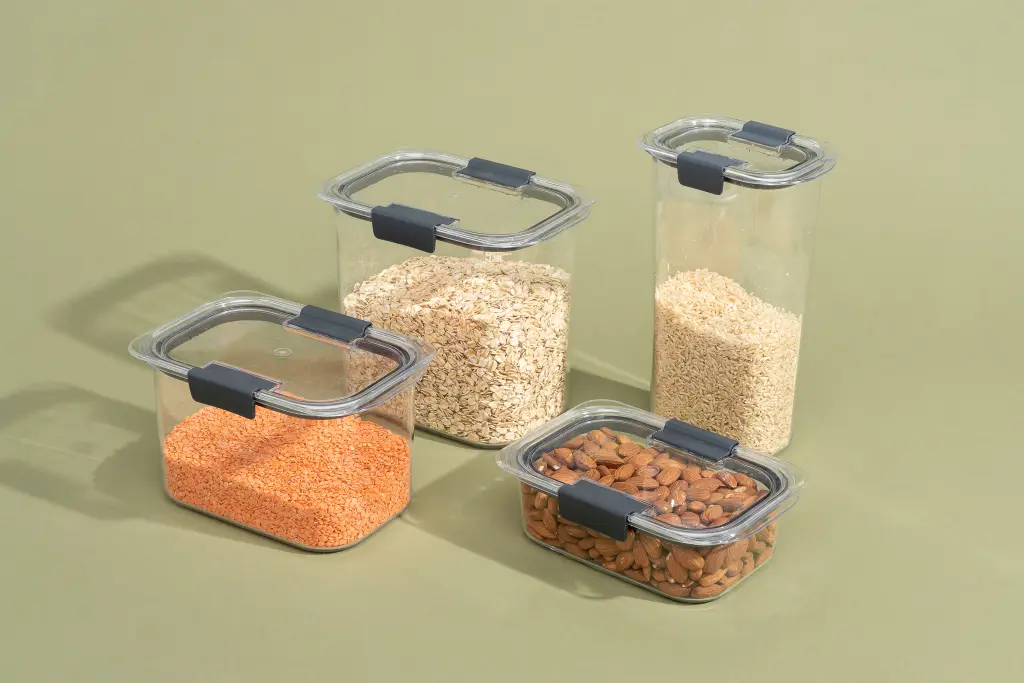
Firstly, their crystal-clear visibility is a game-changer. Imagine a pantry where you can instantly spot that bag of flour or the last of your oats without rummaging through opaque containers. Acrylic’s superior transparency, often exceeding that of average glass, means no more guessing games. This not only makes meal preparation faster but also helps you keep track of your inventory, reducing food waste and making grocery shopping more efficient. When your pantry looks this good, it almost inspires you to keep it tidy!
Secondly, these containers boast lightweight durability. If you’ve ever had a glass container slip from your grasp, you know the sound of shattering glass and the ensuing clean-up can be quite a headache. Acrylic, while not indestructible, is significantly less prone to shattering than glass, making it a safer choice, especially in busy kitchens with children or pets. Their lighter weight also makes them easier to handle, stack, and retrieve from higher shelves.
Another significant draw is the BPA-free assurance. In an age where consumers are increasingly aware of potential health concerns related to plastics, knowing that your food storage is free from bisphenol A (BPA) provides invaluable peace of mind. Acrylic (PMMA) does not contain BPA, differentiating it from certain other plastics like polycarbonate, which may contain this chemical. This commitment to non-toxic materials aligns perfectly with a focus on family health and well-being.
Lastly, acrylic containers excel in offering stylish organization. Their sleek, modern appearance elevates the aesthetic of any pantry or countertop. Many designs are thoughtfully crafted to be stackable, with square or rectangular shapes that maximize space efficiency, turning cluttered cupboards into beautifully organized displays. This blend of form and function helps transform your kitchen into a more inviting and efficient space.
Acrylic vs. The Alternatives: Making the Right Choice
Choosing the right food storage material often feels like navigating a maze of options. Each material brings its own set of strengths and weaknesses. Understanding how acrylic stacks up against its common counterparts, like glass and other plastics, is crucial for making the best decision for your unique kitchen needs.
How do acrylic containers compare to glass and other plastics?
Acrylic vs. Glass
When it comes to the great debate of acrylic versus glass, it’s a tale of two transparent titans. Acrylic often boasts superior clarity, transmitting up to 92% of visible light compared to glass’s 80-90%. This slight edge makes your ingredients pop, enhancing pantry appeal. In terms of weight, acrylic is significantly lighter, making it easier to handle and reducing the risk of accidental drops—and less chance of a broken container and spilled contents! [cite: 1 from “acrylic vs glass” search, 2 from “pros and cons” search] While glass can be quite fragile, prone to chips and breaks, acrylic offers impressive shatter resistance, proving more resilient to everyday bumps and falls. This makes it a safer option, particularly in households with active children. [cite: 5 from “pros and cons” search]
However, glass truly shines in heat resistance. It’s microwave, oven, and dishwasher safe, enduring extreme temperature changes without warping or degrading. [cite: 3 from “acrylic vs glass” search] Acrylic, on the other hand, has limited heat resistance and is generally not recommended for microwave or oven use, and often requires hand washing to prevent dulling or cracking. [cite: 3 from “pros and cons” search, 1 from “acrylic vs glass” search] Glass also takes the lead in scratch resistance, maintaining its pristine surface longer than acrylic, which can show minor scratches over time if not handled gently. [cite: 1 from “acrylic vs glass” search] Moreover, glass is non-porous, meaning it’s highly resistant to staining and odor retention, especially from strongly pigmented or oily foods, a challenge that acrylic can sometimes face.
Acrylic vs. Polypropylene (PP) and High-Density Polyethylene (HDPE)
Beyond glass, acrylic also stands in comparison to other popular food-grade plastics like polypropylene (PP) and high-density polyethylene (HDPE). These plastics, often found in everyday items from yogurt cups to milk jugs, have their own distinct characteristics.
Heat resistance is a primary differentiator. PP is highly favored for its ability to withstand higher temperatures, making it both microwave and dishwasher safe—a significant advantage for reheating leftovers and easy cleanup. [cite: 3 from “pros and cons” search] HDPE also offers good heat and chemical resistance. In contrast, acrylic’s heat sensitivity means it’s generally unsuitable for these applications. When it comes to chemical resistance, HDPE often takes the lead, making it excellent for storing a wider variety of foods, particularly those with higher fat content. However, acrylic consistently wins on clarity, providing that appealing, glass-like transparency that PP and HDPE typically lack.
Acrylic vs. Polycarbonate
It’s important to clarify the distinction between acrylic and polycarbonate, as they are sometimes confused. While both are clear plastics, polycarbonate (often marked with recycling code 7) may contain BPA, a chemical that many consumers prefer to avoid due to potential health concerns. Acrylic, conversely, is inherently BPA-free. When choosing clear plastic containers, always look for explicit “BPA-free” labeling, especially for code 7 plastics, and remember that acrylic (PMMA) is a safe, transparent, and BPA-free option. [cite: 4 from “are acrylic safe” search]
Navigating the Nuances: Potential Drawbacks of Acrylic
What are the limitations of acrylic food storage containers?
While acrylic food storage containers offer numerous benefits, it’s equally important to understand their limitations to ensure they’re used effectively and safely in your kitchen. Just like any material, acrylic has its quirks.
Perhaps the most significant limitation is heat sensitivity. Unlike glass, acrylic has limited heat resistance. This means it should never be used in the microwave or oven, as high temperatures can cause it to warp, melt, or even degrade. [cite: 1, 3 from “pros and cons” search] Even in the dishwasher, excessive heat, especially on the bottom rack, can dull or crack the surface, which is why hand washing with mild soap is generally recommended to extend its lifespan and maintain its clarity.
Secondly, acrylic can be somewhat scratch-prone. While it’s more durable than glass in terms of shatter resistance, its surface can scratch more easily than glass if abrasive cleaners or rough sponges are used. Those tiny hairline scratches can gradually diminish its crystal-clear appeal over time.
Another point to consider is staining and odor retention. While many high-quality acrylic containers are designed to resist these issues, they can be more susceptible than glass to staining from highly pigmented foods like tomato sauce or turmeric. Similarly, strongly aromatic foods might leave a lingering scent if not cleaned promptly and thoroughly.
Finally, prolonged exposure to UV light, such as direct sunlight on a countertop or windowsill, can cause acrylic to degrade over time. This isn’t usually a major issue for containers stored in a pantry or cupboard, but it’s something to be mindful of for long-term outdoor use or persistent sun exposure.
Mastering Your Acrylic Food Storage: Tips for Optimal Use
To truly get the most out of your acrylic food storage containers and ensure they serve you well for years, a little knowledge goes a long way. Think of it as knowing the secret handshake to perfect pantry organization!
How to best utilize and care for your acrylic food storage containers?
When considering best uses, acrylic containers truly shine for storing dry goods. Imagine your pantry brimming with perfectly organized cereals, pasta, rice, flour, sugar, coffee beans, snacks, and baking ingredients, all neatly visible. Their airtight seals are excellent for keeping these items fresh, protected from moisture and pantry pests. They’re also fantastic for general pantry organization, display purposes, and even for storing craft supplies or office items, adding a touch of elegance to any space.
For cleaning and maintenance, gentle care is key. Always hand wash your acrylic containers with mild dish soap and a soft cloth or sponge. A microfiber cloth works wonders for wiping them down without leaving scratches. After washing, allow them to air dry or use a soft towel to prevent water spots.
It’s crucial to know what to avoid. Steer clear of hot liquids, the microwave, and the oven entirely. High heat is acrylic’s kryptonite! Also, avoid harsh chemical cleaners, ammonia-based products (like window cleaner), and abrasive scrubbing pads, as these can dull, scratch, or even cloud the clear surface of your containers. For foods that are highly oily, strongly pigmented, or require heating, consider using glass or polypropylene containers instead.
To maximize their lifespan, proper storage is important. While acrylic is shatter-resistant, stacking extremely heavy items on top of lids or dropping them forcefully can still cause damage. Store them in a way that minimizes impact and keeps them out of prolonged direct sunlight to prevent degradation. With these simple tips, your acrylic food storage containers will remain a beautiful and functional asset in your kitchen for years to come.
Expert Insight on Sustainable Storage
“Choosing the right food storage is about balancing convenience with conscious living. Acrylic offers a fantastic blend of clarity and durability for pantry staples, helping us reduce waste by keeping food fresh longer and making meal planning a breeze.” – Eleanor Vance, Product Development Strategist at Review Vie.
Health, Safety, and the Clear Choice: Acrylic’s Role
In today’s health-conscious world, the safety of the materials we use for food storage is paramount. When it comes to acrylic food storage containers, a common and important question arises: Are acrylic food storage containers safe for my family’s health?
The good news is that acrylic (PMMA) is generally recognized as a food-safe plastic when it complies with the stringent guidelines set by regulatory bodies like the FDA. This means that, under normal and intended use conditions, food-grade acrylic does not leach harmful chemicals into your food. A significant factor contributing to its safety profile is that acrylic containers are inherently BPA-free. Unlike some other plastics, acrylic is manufactured without bisphenol A, addressing a major concern for many consumers who prioritize avoiding this chemical in their food contact materials.
The key to ensuring continued safety lies in proper use. As we’ve discussed, acrylic has limitations regarding heat exposure. Avoiding microwaves, ovens, and very hot liquids ensures the material maintains its integrity and doesn’t degrade, which could potentially compromise its food-safe properties. By selecting certified food-grade acrylic products and adhering to the recommended care instructions, you can confidently integrate these transparent, non-toxic containers into your kitchen, knowing you’re making a healthy choice for your family.
FAQs
Q: Can I microwave food in acrylic containers?
A: No, acrylic containers are not microwave-safe. They have limited heat resistance and can warp, melt, or degrade when exposed to the high temperatures of a microwave. Always transfer food to a microwave-safe dish before heating.
Q: Are acrylic food storage containers truly BPA-free?
A: Yes, acrylic (polymethyl methacrylate, or PMMA) is naturally BPA-free. This makes it a popular choice for consumers looking to avoid bisphenol A in their food storage solutions.
Q: What types of food are best stored in acrylic containers?
A: Acrylic containers are ideal for dry goods such as pasta, rice, flour, sugar, coffee, tea bags, cereals, snacks, and baking ingredients. Their clarity and airtight seals help keep these items fresh and easily visible.
Q: How do I clean my acrylic food storage containers without damaging them?
A: Hand wash your acrylic containers with mild dish soap and a soft cloth or sponge. Avoid abrasive scrubbers, harsh chemical cleaners, and high heat from dishwashers to prevent scratches, clouding, or warping.
Q: Do acrylic containers stain or retain odors?
A: While high-quality acrylic is designed to be resistant, it can be more susceptible to staining from highly pigmented foods (like tomato sauce) or retaining odors from very pungent ingredients compared to glass. Prompt cleaning after use is recommended.
Conclusion
Acrylic food storage containers offer a compelling blend of style, practicality, and peace of mind for the modern kitchen. Their crystal-clear design and lightweight durability bring an effortless elegance to pantry organization, transforming mundane storage into a visual delight. As a committed partner in promoting innovative and sustainable food storage solutions, Review Vie believes that choosing acrylic can significantly enhance your food preservation experience and contribute to a healthier lifestyle. By understanding their unique benefits—such as their BPA-free composition and shatter-resistant nature—and being mindful of their limitations, you can confidently integrate these versatile containers into your home. Embrace the clear choice and elevate your kitchen’s functionality and aesthetic, making every meal prep and pantry sweep a more enjoyable and efficient endeavor.