In the bustling world of a professional kitchen, where every second counts and quality is paramount, the unsung heroes often work behind the scenes: Restaurant Food Storage Containers. These aren’t just simple boxes; they are critical tools that underpin food safety, streamline operations, and ultimately, safeguard your reputation and your customers’ health. From preserving the freshness of premium ingredients to preventing costly waste, the right food storage strategy, powered by the best containers, is a cornerstone of a successful culinary business.
The Foundation: Why Restaurant Food Storage Matters More Than You Think
Think about the journey of an ingredient in your kitchen. It arrives fresh, it’s prepped, perhaps cooked, and then either served immediately or stored for later use. At every step, the integrity of that food hinges on how it’s stored. Historically, food preservation has evolved from rudimentary methods to the sophisticated systems we see today, driven by the need to extend shelf life and prevent illness. In a commercial setting, this evolution culminates in the diverse array of restaurant food storage containers designed to meet stringent demands.
The impact of proper food storage goes far beyond mere organization. It directly influences the flavor profile of your dishes, the nutritional value of your ingredients, and, critically, the prevention of foodborne illnesses. “Poor storage is a silent saboteur in any kitchen,” explains Dr. Alistair Finch, a renowned food safety expert. “It can lead to cross-contamination, rapid spoilage, and significant financial losses, all while compromising customer trust.” Investing in high-quality, fit-for-purpose restaurant food storage containers isn’t an expense; it’s an investment in your kitchen’s health and profitability.
Decoding Materials: What’s Inside Your Container Matters
Choosing the right material for your restaurant food storage containers is a strategic decision that depends on the specific demands of your kitchen. Each material offers a unique set of properties, making it suitable for different applications.
- Polycarbonate: These clear, incredibly durable containers are a workhorse in many commercial kitchens. Known for their resistance to shattering and their ability to withstand a wide temperature range—typically from -40°F to 210°F—they are perfect for refrigeration and freezing. Their transparency allows for quick identification of contents, a huge time-saver during a busy service. They also resist food acids and oils, helping them maintain their clarity over time. While often a more expensive upfront investment, their longevity makes them cost-effective.
- Polypropylene: Often slightly less transparent than polycarbonate, polypropylene containers offer excellent resistance to high temperatures and chemicals. They are a popular choice for storing dry goods like flour, rice, and spices, as well as for certain hot food applications. Their chemical resistance makes them suitable for use with acidic ingredients, offering versatility.
- Stainless Steel: A favorite in many professional kitchens, stainless steel boasts exceptional durability and hygienic properties. It’s non-reactive, meaning it won’t absorb odors or flavors, making it ideal for storing highly perishable or acidic foods. Stainless steel containers, especially Gastronorm pans, are easy to clean, highly resistant to corrosion, and seamlessly fit into various commercial kitchen equipment, from fridges to bain-maries. However, they are generally not microwave-safe, a consideration for reheating.
- Glass: For a premium feel and superior purity, glass containers are an excellent choice. They are non-porous, so they won’t absorb stains, odors, or flavors, and you never have to worry about chemicals leaching into your food. Glass is safe for use in the fridge, freezer, oven, and microwave (lids often need to be removed for oven use). While heavier and more prone to breakage, glass offers peace of mind regarding food safety and can elevate the presentation of certain prepped items.
- Ceramic: While less common for bulk commercial storage, high-quality ceramic containers are non-reactive and can be used for both storage and serving, especially for prepared dishes that go straight from fridge to table. Ensure they are explicitly labeled food-safe for commercial use.
When selecting any restaurant food storage containers, always verify that they are made from food-grade materials, are BPA-free, and ideally, NSF-certified. This certification independently confirms that the containers are easily cleanable and produced from safe materials, a crucial standard in the foodservice industry.
Choosing the Right Restaurant Food Storage Containers: A Strategic Guide
Selecting the appropriate restaurant food storage containers isn’t a one-size-fits-all endeavor. It requires a thoughtful approach based on the specific food item, its preparation stage, and its intended use.
For Dry Goods
When it comes to dry ingredients like flour, sugar, grains, and pasta, airtight seals are non-negotiable. Look for large, heavy-duty plastic (polypropylene or polyethylene) bulk bins, often with wheels for easy mobility. Clear, stackable containers with secure, sometimes screw-top or locking lids, are excellent for smaller quantities of dry ingredients, spices, and pulses, protecting them from moisture, pests, and contamination.
For Cold Storage (Refrigeration & Freezing)
For perishable items requiring refrigeration or freezing, polycarbonate and stainless steel are top contenders. Polycarbonate containers offer visibility, making inventory checks quick and easy, and can withstand freezing temperatures without cracking. Stainless steel is preferred for its non-reactive properties, especially for acidic marinades or highly perishable proteins. Always ensure containers are clearly marked as “freezer-safe” to prevent material degradation.
For Hot Holding and Prep
Stainless steel hotel pans are the industry standard for hot holding on steam tables and for batch cooking and prep. Polycarbonate containers with high-temperature resistance can also be used for certain hot holding applications, though stainless steel is generally more robust for sustained heat. For prepared ingredients like sauces, soups, and dressings, round containers can facilitate faster cooling and easier stirring, while square containers optimize space in refrigerators.
For Takeout and Delivery
In today’s dining landscape, takeout and delivery are crucial. Here, your restaurant food storage containers become a direct extension of your brand. Choose leak-proof and grease-resistant designs for liquids and saucy dishes. Vented containers are excellent for fried foods, preventing them from becoming soggy during transit. For premium offerings, consider glass containers that convey quality and a commitment to health. Standardizing container sizes can also help with portion control and inventory management, while subtle branding elements turn every order into a marketing opportunity.
Optimizing Your Kitchen: Best Practices for Restaurant Food Storage
Even the best restaurant food storage containers are only as effective as the system behind them. Implementing robust storage practices is vital for maintaining food safety, reducing waste, and enhancing overall kitchen efficiency.
The Golden Rules of Food Safety & Organization
- Temperature Control: This is paramount. Perishable foods must be kept out of the “danger zone” (between 40°F and 140°F) where bacteria multiply rapidly. Dry storage areas should be cool and dark, ideally between 50°F and 70°F. Refrigerators must maintain temperatures at or below 40°F, and freezers at 0°F or colder. Hot-held foods should be kept at 140°F or above. Consistent monitoring and immediate action on temperature deviations are critical.
- FIFO (First-In, First-Out): This fundamental inventory management principle dictates that the oldest stock should be used first. When new deliveries arrive, they should be placed behind existing stock. This simple rule drastically reduces spoilage and ensures ingredients are used at their freshest.
- Labeling is Key: Every container, especially those with opened or prepped ingredients, needs a clear, legible label. Include the contents, date received, date prepped, and an expiration or “use-by” date. This eliminates guesswork and supports the FIFO system.
- Preventing Cross-Contamination: Raw and cooked foods must be strictly separated. Follow a cooler storage hierarchy where raw poultry is on the lowest shelf, followed by raw meat, fish, dairy, cooked meat, and finally, produce on the top shelves. This prevents juices from raw items from dripping onto ready-to-eat foods. Always store cleaning chemicals far away from any food storage areas.
- Cleanliness is Non-Negotiable: Regular cleaning and sanitization of all restaurant food storage containers and storage areas (shelves, walk-ins, pantries) are essential to prevent bacterial growth and pest infestations.
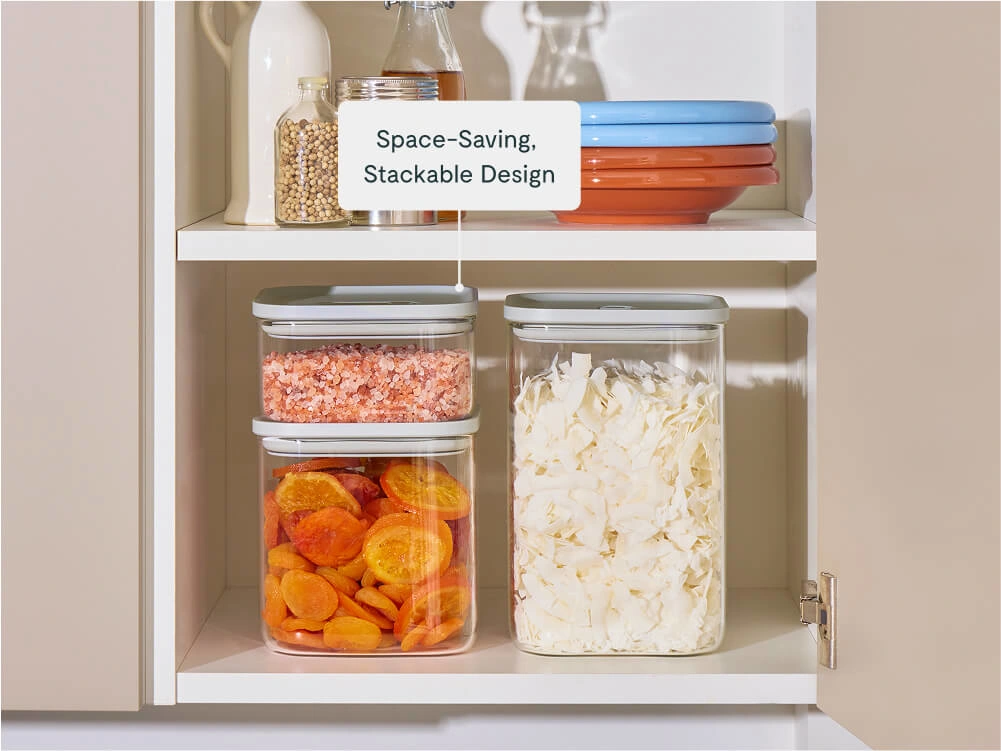
- Space Optimization: Utilize vertical space with sturdy shelving. Stackable containers are invaluable for maximizing refrigerator and pantry space. The “mise en place” philosophy—”everything in its place”—should extend to your storage areas, ensuring every item has a designated, easily accessible home.
Beyond the Basics: Health, Safety, and Sustainability
The conversation around restaurant food storage containers extends beyond daily operations into broader concerns of public health and environmental responsibility. By prioritizing high-quality, durable, and safe containers, restaurants actively contribute to preventing foodborne illnesses, a critical aspect of consumer protection.
Furthermore, a strategic approach to food storage inherently supports sustainability efforts. Durable, reusable containers reduce the reliance on single-use plastics and minimize food waste, both significant environmental benefits. At Review Vie, our vision is to empower restaurants to not only excel in operational efficiency and food safety but also to champion sustainable practices. Innovative and lasting restaurant food storage containers are central to this mission, positioning brands as leaders committed to both culinary excellence and a healthier planet.
FAQs about Restaurant Food Storage Containers
What temperatures are safe for storing food in a restaurant?
The safe temperature ranges for restaurant food storage are critical: dry storage should be 50-70°F (10-21°C), refrigeration at or below 40°F (4°C), freezing at or below 0°F (-18°C), and hot holding at or above 140°F (60°C). Avoiding the “danger zone” between 40-140°F is key to preventing bacterial growth.
What does FIFO mean in a commercial kitchen?
FIFO stands for “First-In, First-Out.” It’s an inventory management method where the oldest food items are used before newer ones. This practice helps reduce food waste, ensures ingredients are used within their optimal freshness window, and is a cornerstone of efficient stock rotation.
Can I use home food containers in a restaurant?
Generally, it’s not recommended. Commercial kitchens have stricter health and safety regulations. Restaurant-grade food storage containers are typically made from more durable, food-safe materials (like NSF-certified plastics or stainless steel) designed to withstand the rigors of a commercial environment, including high temperatures for washing and resistance to acids and oils.
How often should I clean restaurant food storage containers?
All restaurant food storage containers should be cleaned and sanitized thoroughly after each use. For containers holding dry goods, regular checks and cleaning are needed to prevent dust and pests. Consistent cleaning protocols are vital to prevent cross-contamination and maintain hygiene standards.
What is HACCP and how does it relate to food storage?
HACCP (Hazard Analysis and Critical Control Points) is a systematic preventive approach to food safety from biological, chemical, and physical hazards in production processes. In food storage, HACCP principles guide practices like temperature monitoring, proper labeling, segregation of raw and cooked foods, and staff training to ensure that critical control points are managed effectively to prevent foodborne illnesses.
Conclusion
The strategic implementation of high-quality restaurant food storage containers is an indispensable element of a thriving commercial kitchen. From enhancing food safety and extending shelf life to optimizing workflow and minimizing waste, these essential tools empower culinary teams to deliver exceptional quality with confidence. By embracing the right materials, adhering to best practices like FIFO and stringent temperature control, and continually prioritizing cleanliness and organization, restaurants can elevate their operational excellence. Let’s collectively commit to investing wisely in these vital assets, fostering a culture of safety, efficiency, and sustainability that benefits both businesses and the patrons they serve.